Filling Gaps and Expanding Opportunities in the Tilefish Fishery through Fishermen-Collected Data
General Description
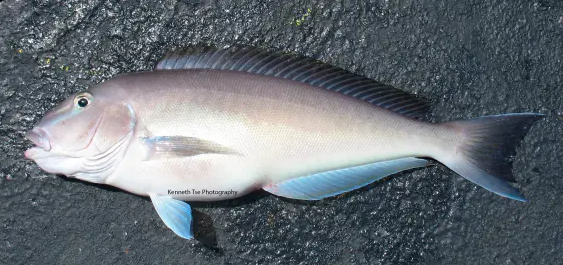
Photo Credit: Kenneth Tse, Toronto, Ontario, Canada
The golden tilefish (Lopholatilus chamaeleonticeps) and blueline tilefish (Caulolatilus microps) are significant species found in the waters off the American East Coast. They play a crucial role as keystone species in their natural environment and serve as a source of income for many commercial fishermen. However, there is a notable lack of consistent and reliable data for both species. Addressing these data gaps presents an opportunity that could benefit both the commercial fishing industry and fisheries managers.
This project aims to implement an image-based research fleet for tilefish. We will provide commercial fishermen with electronic monitoring devices and scales to record the length and weight of captured tilefish, video the filleting process, and measure the length and weight of the resulting fillets. This approach will lead to a novel data stream for these species, which can aid in their sustainable management. In addition, it may help establish a consistent whole fish-to-fillet ratio, allowing fishermen to process their catch while at sea, while also allowing managers to accurately estimate the original size of the fish to monitor individuals removed from the population.
Project Team
Collaborators:
Mark Hager, New England Marine Monitoring
Brady Lybarger, F/V Salted
Andrew Jones, NOAA NEFSC
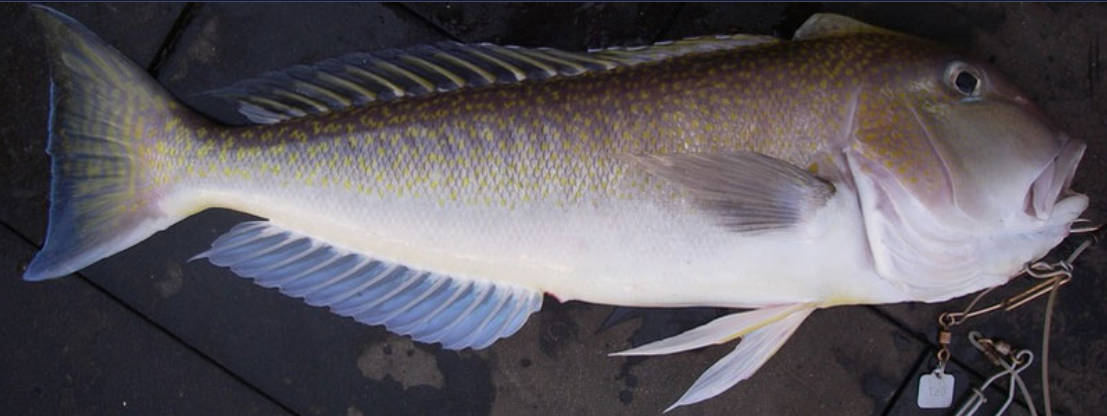
Photo Credit: SEFSC Pascagoula Laboratory; Collection of Brandi Noble
Collect and communicate critically needed tilefish data (length and weight) in a cost-effective way using modern electronic technology and fishermen’s time on the water.
Contribute to the improvement of the tilefish stock assessment.
Analyze and extract biological data from images of individual tilefish.
Calculate an accurate and reproducible conversion factor that is representative of the ratio of fillet length and weight to whole fish length and weight.
Interested in Participating?
We are currently accepting applications for commercial F/Vs to participate in this project!

This project is supported by:
National Fish and Wildlife Foundation