
We are seeking commercial F/Vs to participate in an upcoming pilot Tilefish Research Fleet.
Both commercially important tilefish species harvested off the American East Coast (blueline tilefish and golden tilefish) are considered data poor. This project seeks to implement electronic monitoring aboard commercial fishing vessels to benefit scientists and commercial fishermen. The collected data will serve as a novel data source and ideally lead to the development of a consistent whole-fish-to-fillet conversion factor, giving fishermen the option to land fillets.
Applications are due October 2nd, 2026. See below for details and the link to apply.

Ghost Gear Biodiversity Monitoring StoryMap
Jocelyn Miller, our 2026 summer intern, created a StoryMap with 2026 updates and results for our project to monitor and assess the interaction of marine organisms with ghost gear to determine how long lost or abandoned traps will fish.
Check it out below!
New CFRF Merch Store

Gear Up for Sustainable Fisheries
Show your support for the people, science, and communities that help keep commercial fisheries sustainable with official CFRF gear.
We just launched an official CFRF merch store, so it is easier than ever to support our research and education projects!
When you wear CFRF merch, you help spread the word about the importance of fisheries research and directly support the work that keeps our fisheries sustainable for generations to come.
Article: Advancing Scup Mince Processing to Expand Markets for a Sustainable U.S Fishery
Our project to advance scup mince processing and expand markets for the US fishery was recently featured in an article written by the Seafood Industry Research Fund!
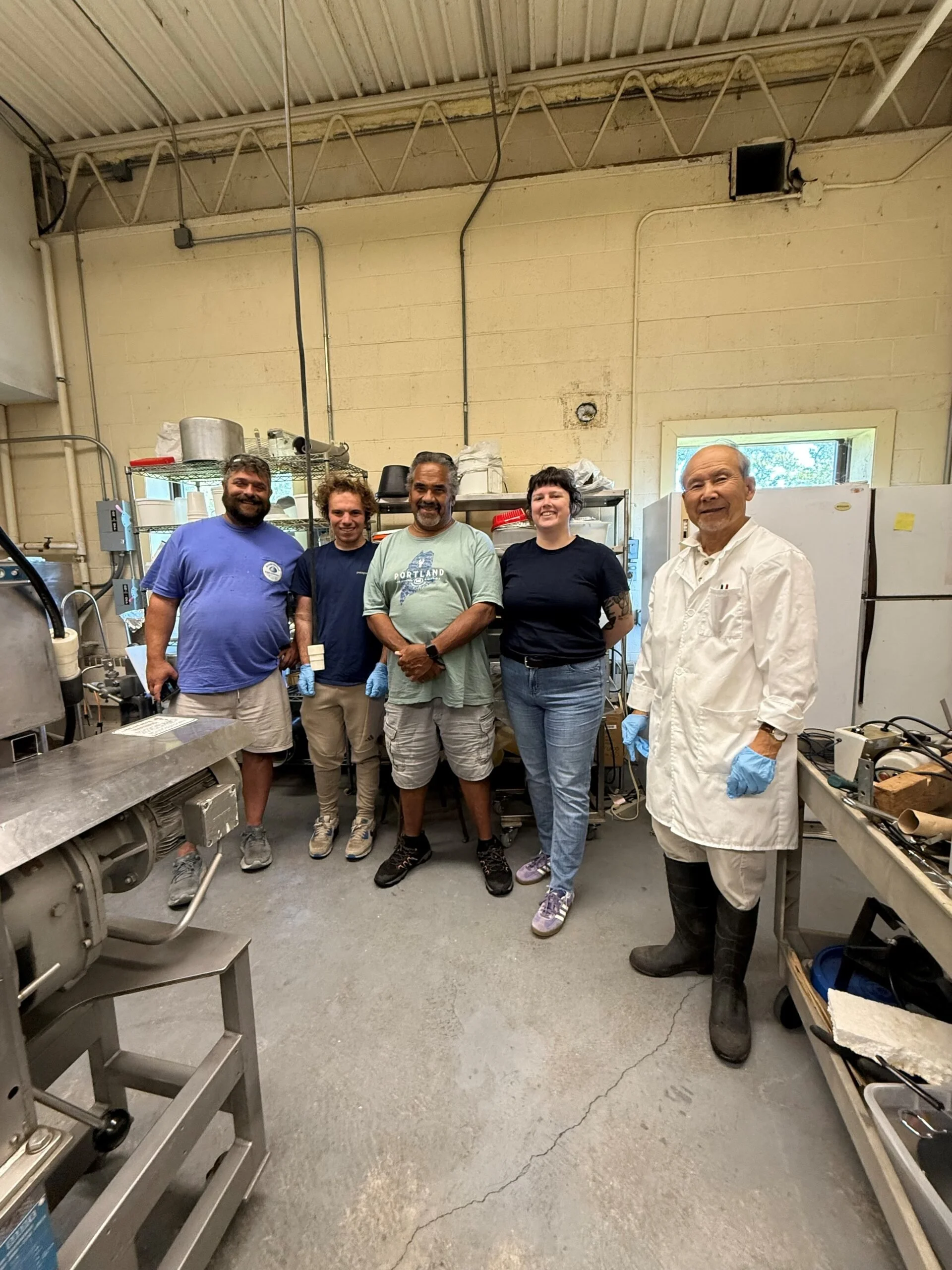
Photo Credit: Seafood Industry Research Fund
Scientists at Sea: Sea Scallop Dredge Bag Modifications Survey
Come with us on a survey to test dredge bag modifications to reduce bycatch!
Thank you to the captains and crews of the F/Vs Susan L and Karen Elizabeth for making this project a success!
2026 Greenwich and Apponaug Cove Quahog Transplants
Come with us for a Quahog Transplant!
We are proud to have been a part of the Rhode Island quahog transplant program this month! Industry, managers, law enforcement, and scientists came together to move quahogs out of polluted areas into cleaner waters so they can ‘depurate’ and become safe for consumption later this year! It was great to see so many people come together to make this year’s transplants a success, with over 153,000 pounds of quahogs transplanted!
The program has been running since 1954, and these transplants help ensure the longevity of Rhode Island’s shellfish industry. Learn more at: https://dem.ri.gov/natural-resources-bureau/marine-fisheries/shellfish-and-aquaculture-resources/shellfish-transplants
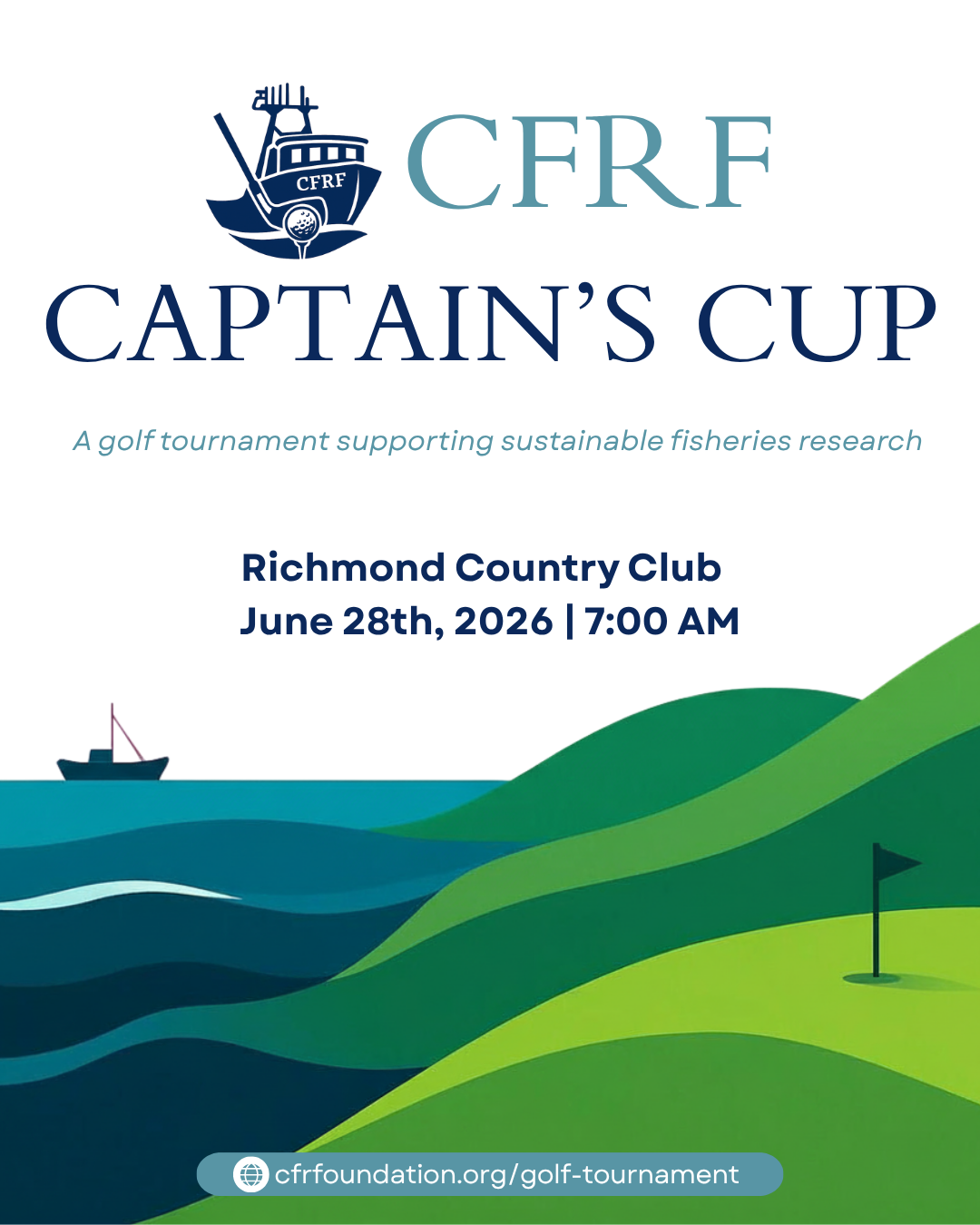
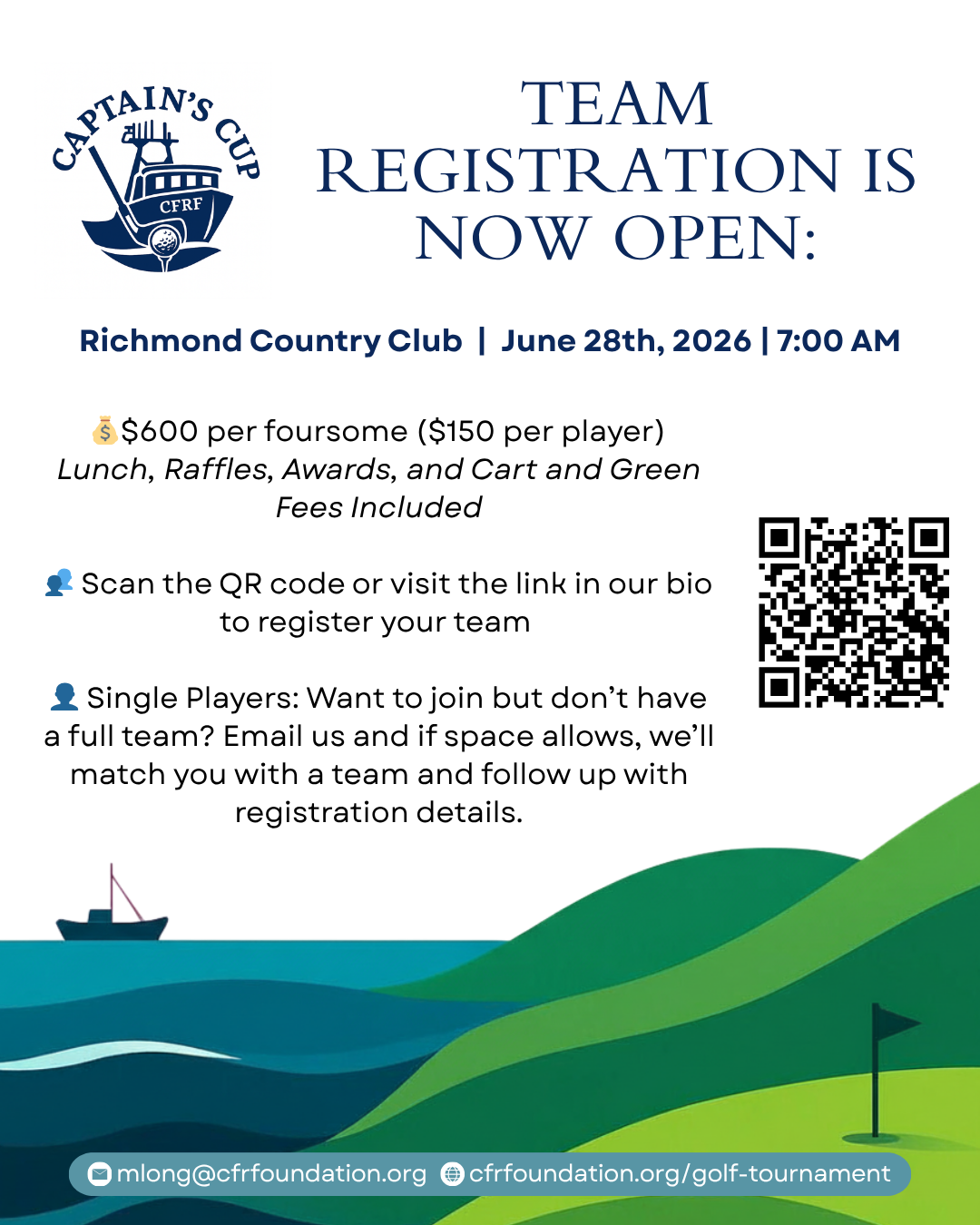
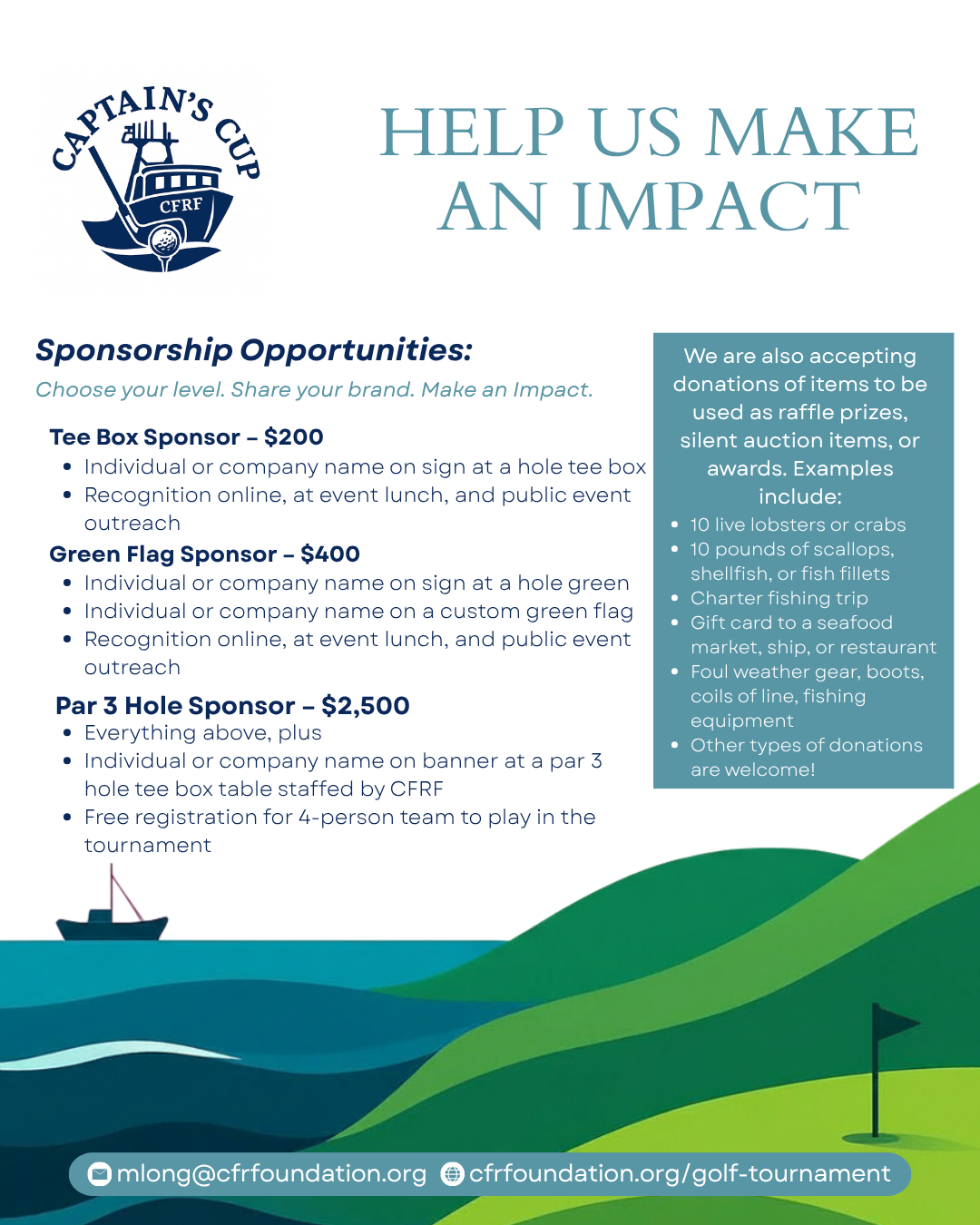
⛳ Introducing the CFRF Captain's Cup Golf Tournament
We are excited to invite you to the inaugural CFRF Captain’s Cup golf tournament fundraiser on June 28th, 2026 — a day of great golf, great company, and meaningful impact. Registration is open!
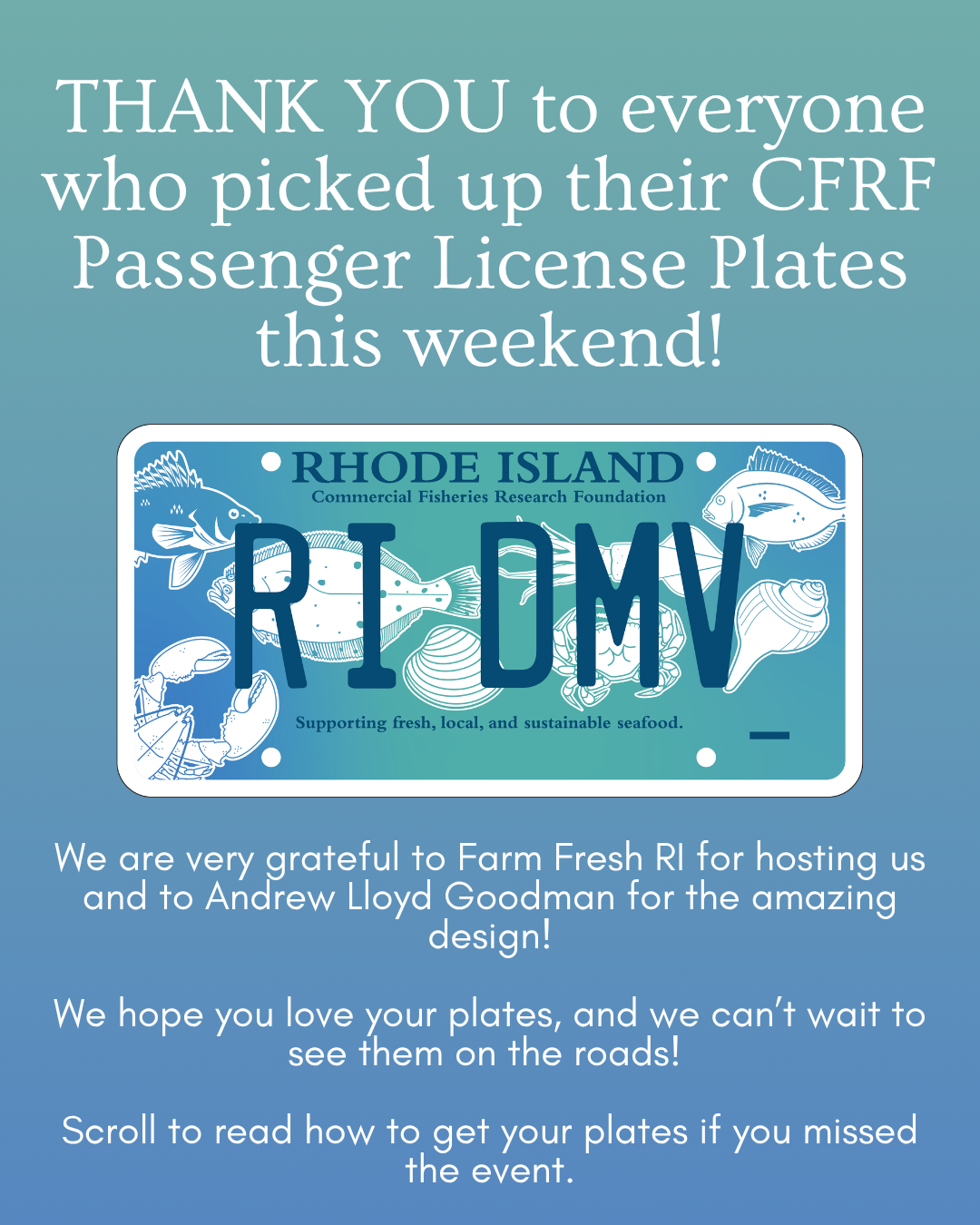
CFRF License Passenger License Plate Information
Thank you to everyone who picked up their passenger license plates this weekend! We hope you love your plates, and we can't wait to see them on the roads. Please feel free to spread the word that you can now order a CFRF passenger plate directly through the DMV!
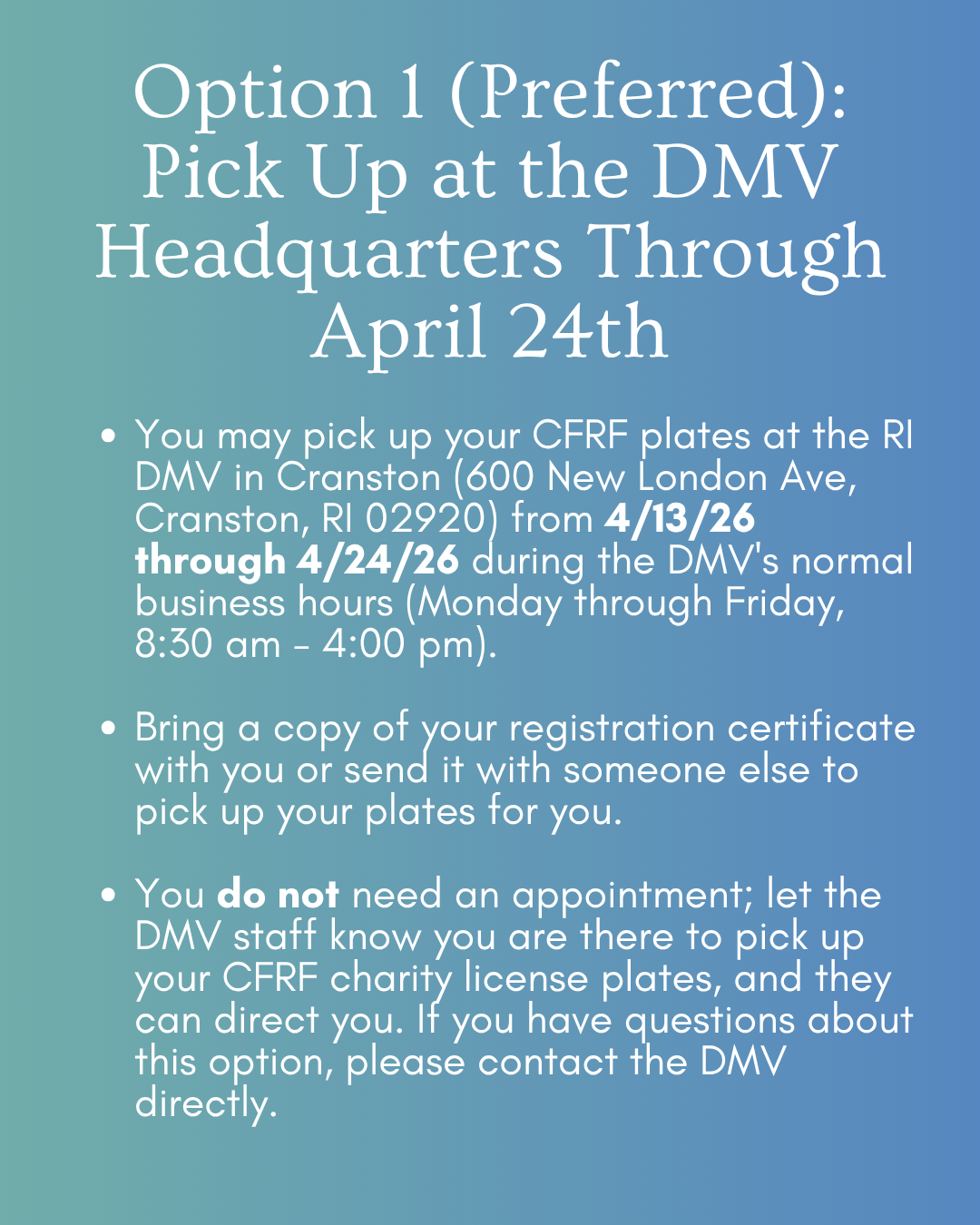
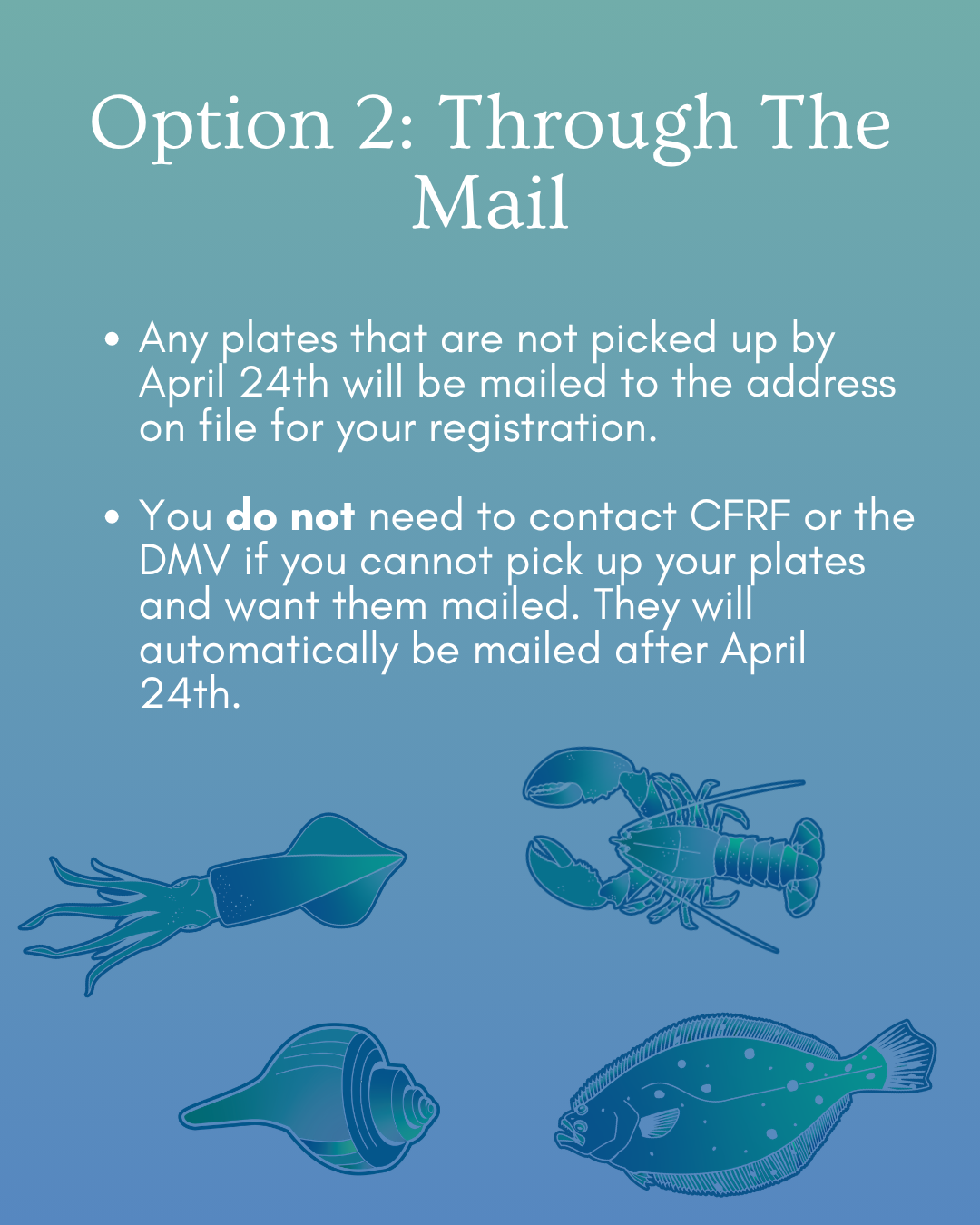
If you did not make it to the distribution event, please read below for information on how to get your plates.
UPDATE: The pick-up window has been extended to April 30th!
A Day in the Life of a Fisheries Scientist: Lab Work Edition (Juvenile BSB Survey)
Come along with us for a day of lab work 🧑🔬
We’re grateful to Dr. Eric Shultz at UConn for his help and laboratory access! We are working with the Shultz Lab and Dr. Max Zavell of SMAST to determine the lipid content of juvenile black sea bass caught in our winter fish pot survey. This information will help us study the potential overwintering of juveniles in Narragansett Bay 🐟
CFRF License Plate Distribution Event Info
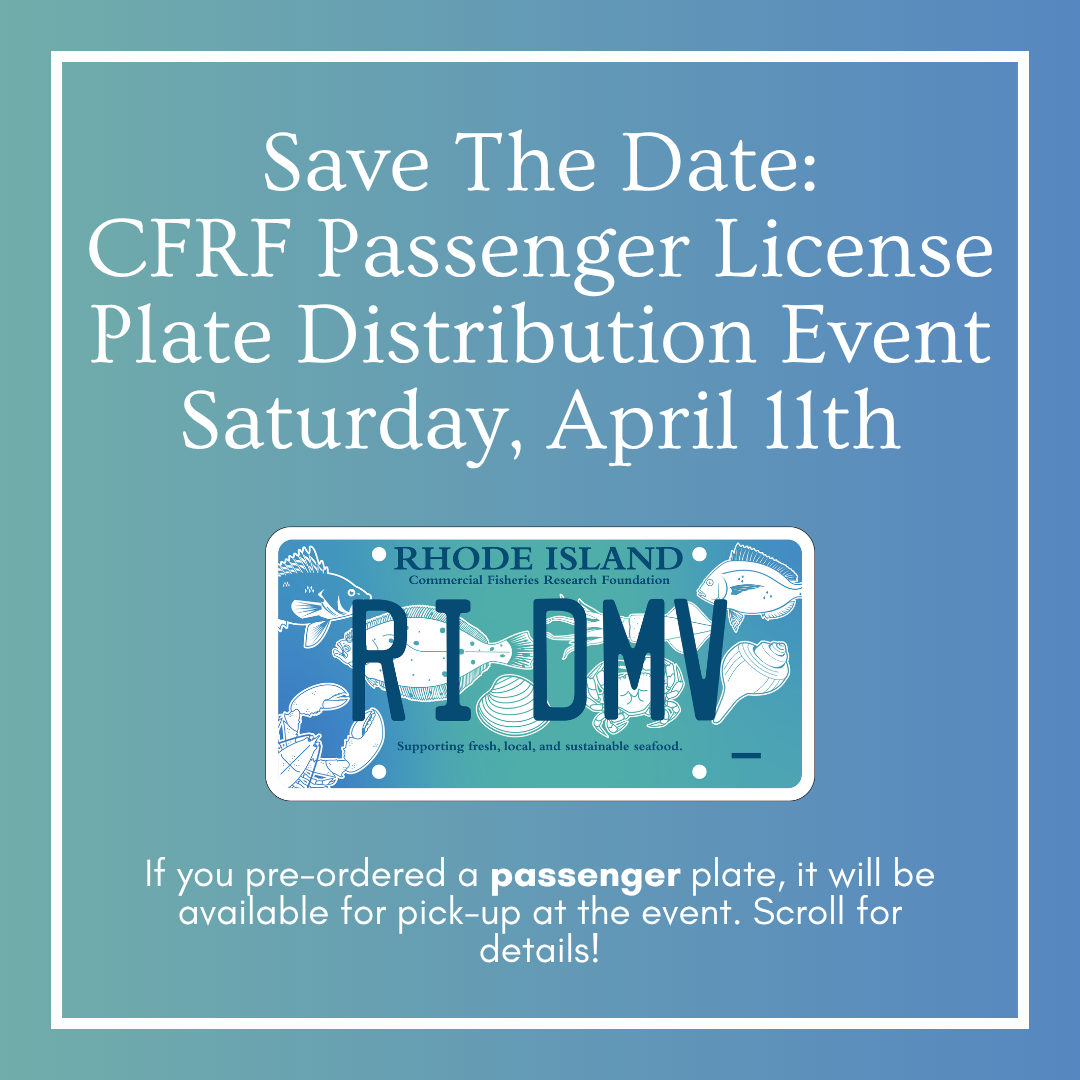
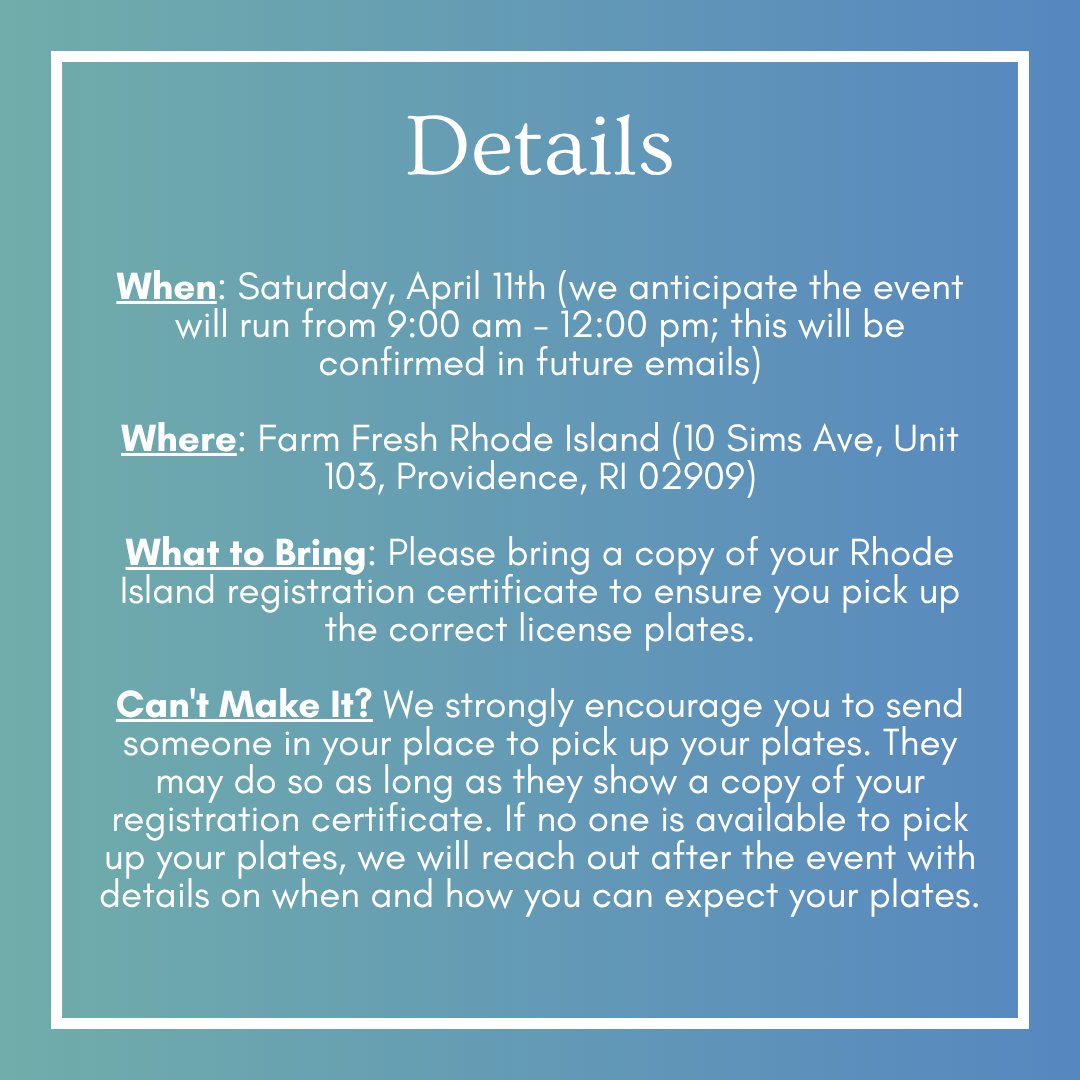
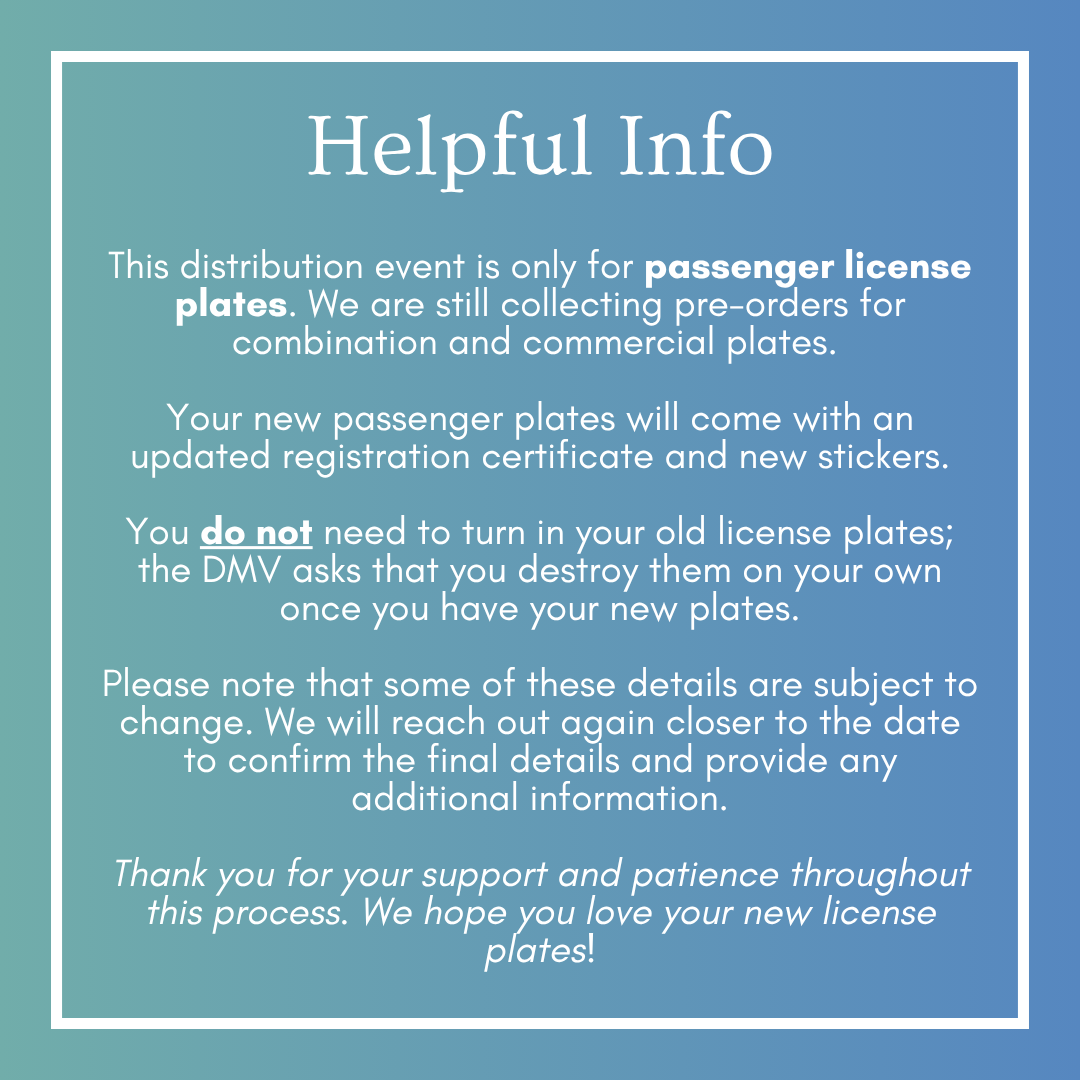
We look forward to seeing everyone who pre-ordered a CFRF charity plate for their passenger vehicle on Saturday, April 11th! We’ve got all the info you need to know before you go below!
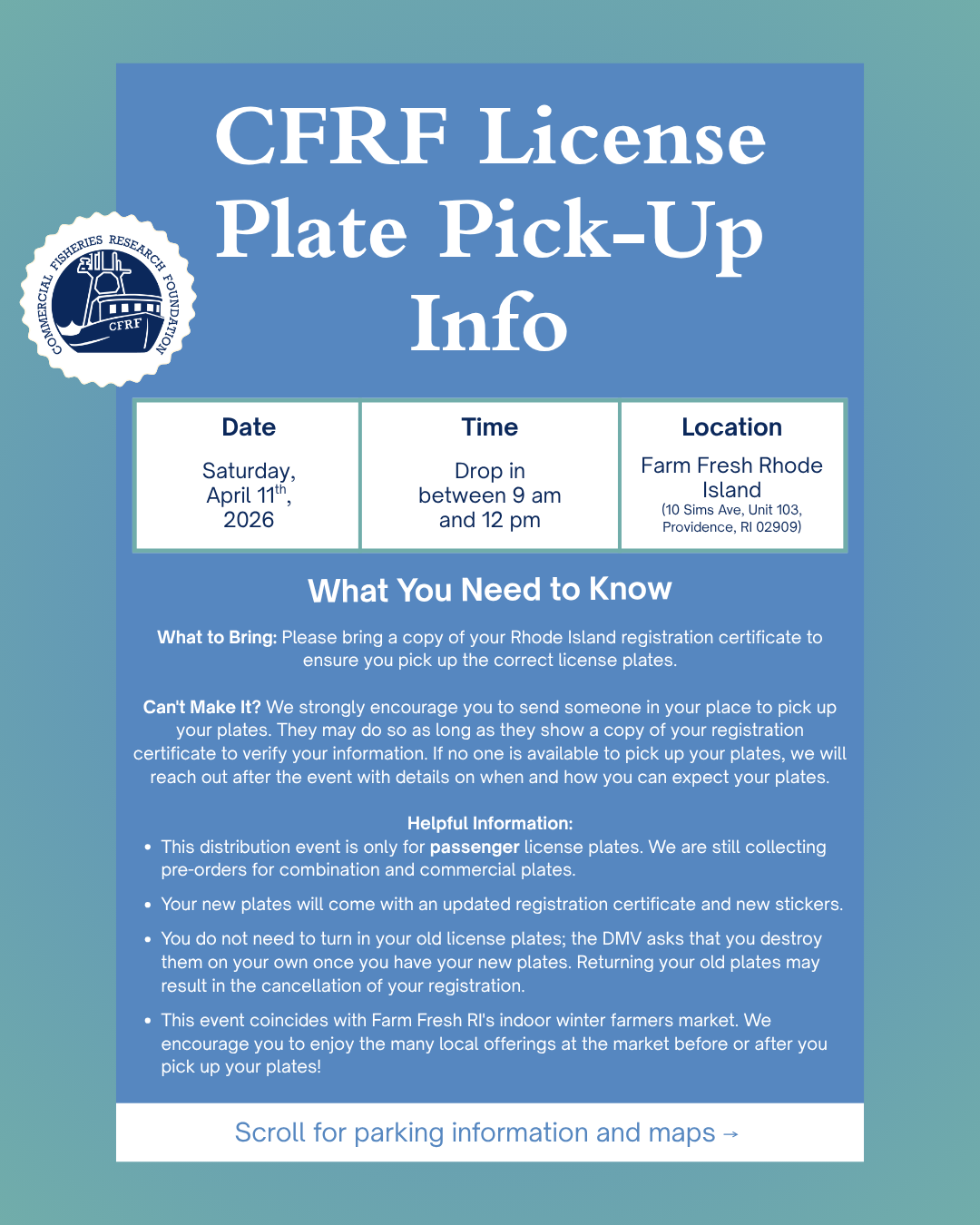
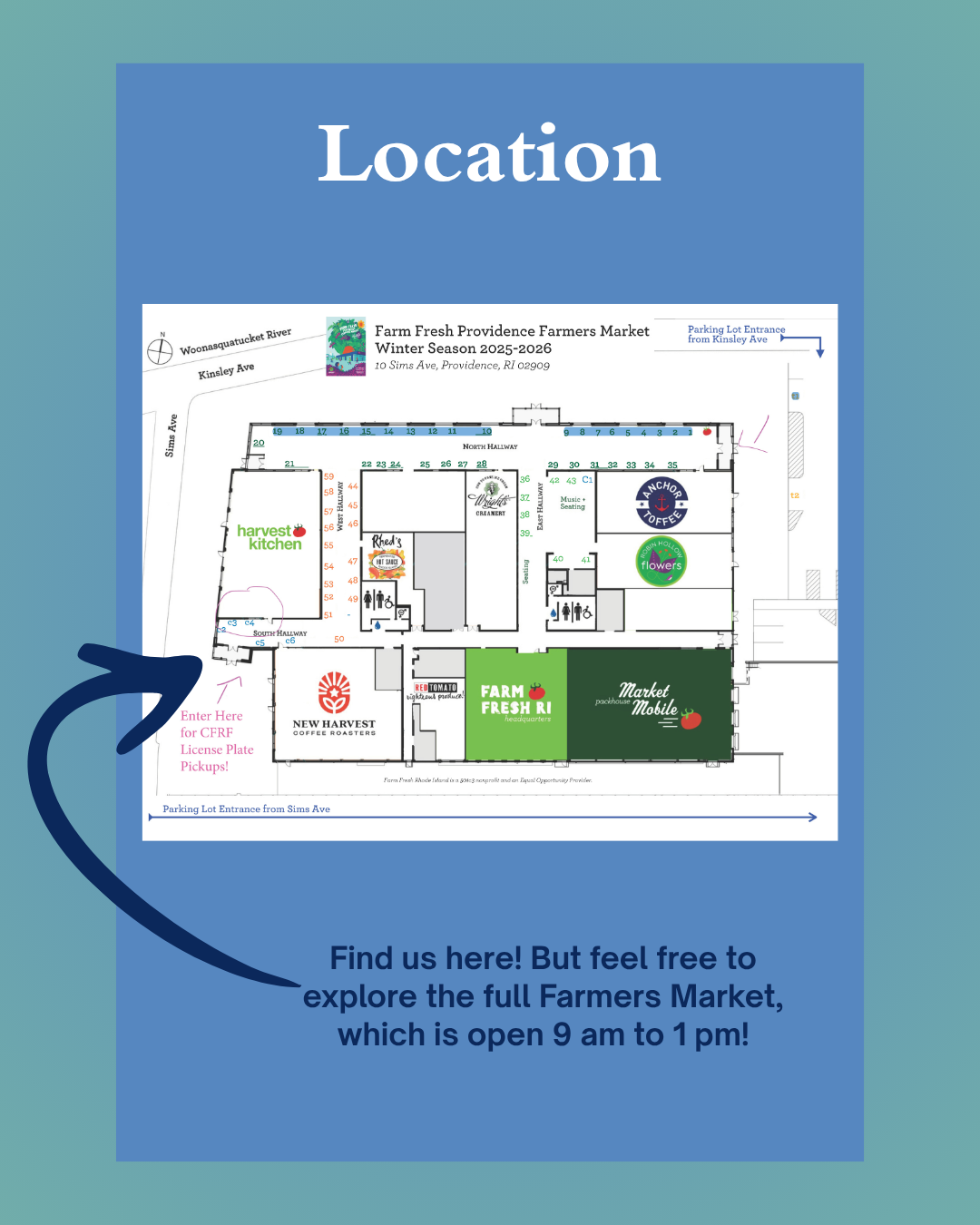
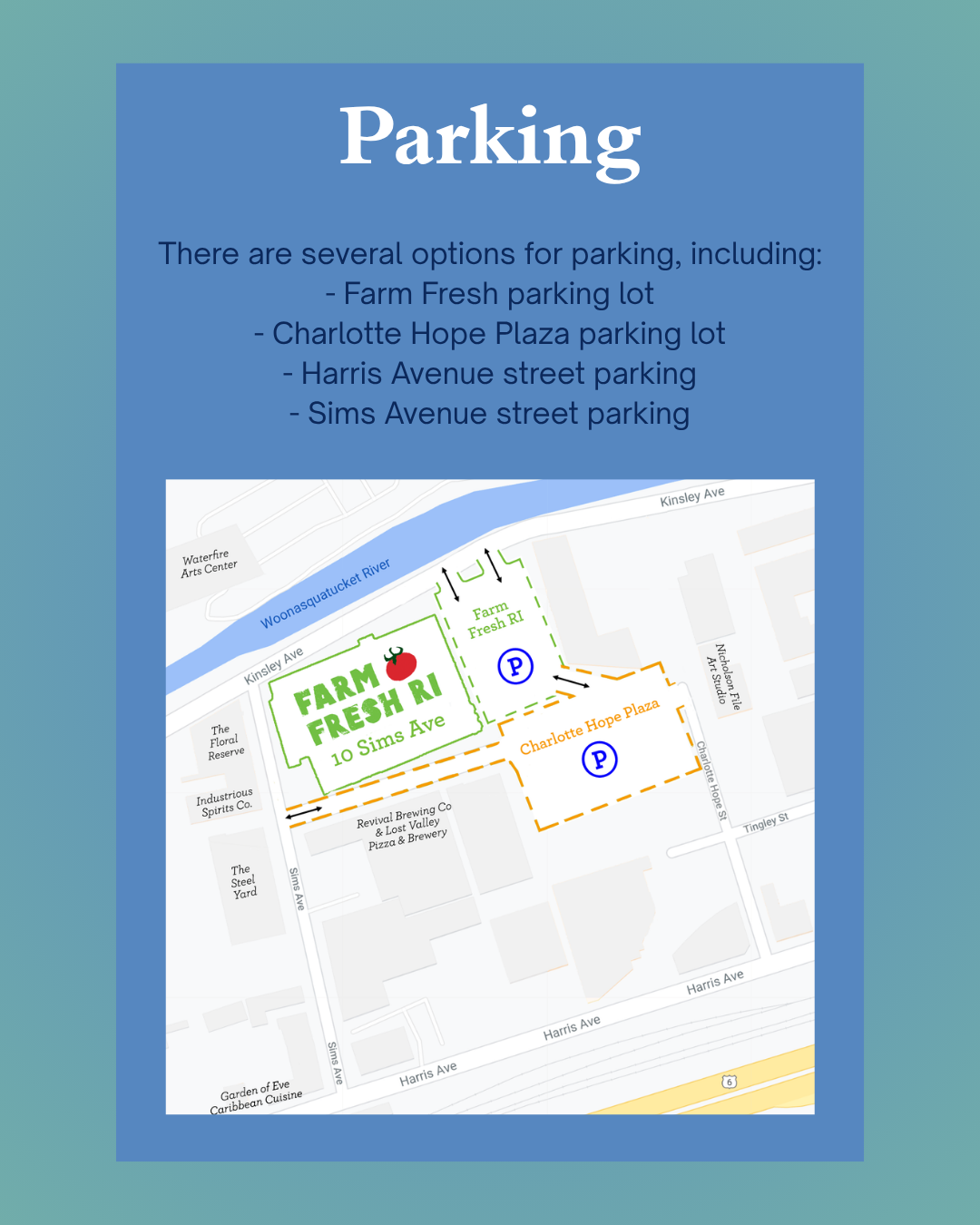
CFRF Charity License Plates Distribution Event
If you pre-ordered the CFRF Charity Plate for your PASSENGER vehicle, they will be available for pick-up at our distribution event on April 11th. Scroll through the photos below for more information.
Please note that this event is only for passenger-registered vehicles. We are still collecting pre-orders for combination and commercial registrations.
A Day in the Life at the Ocean Sciences Meeting in Scotland
Follow along with CFRF Data Manager Linus Stoltz for a look into a day in the life at the recent Ocean Sciences Meeting in Glasgow, Scotland!
Scientists at Sea: A Day in the Life on the SFWF Beam Trawl Survey
Follow along with Jill and Jack as they conduct a beam trawl survey for our South Fork Wind Farm fisheries monitoring!
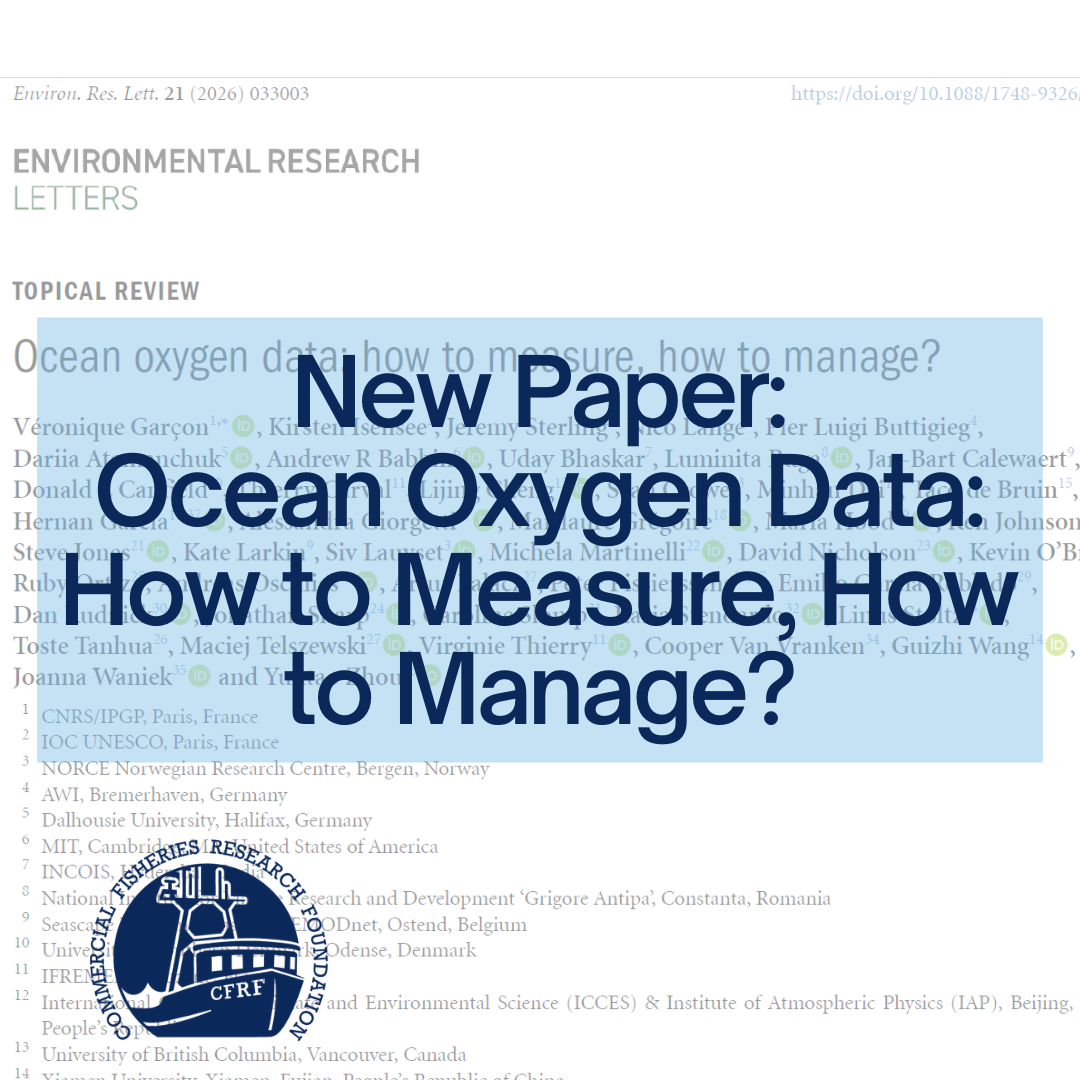
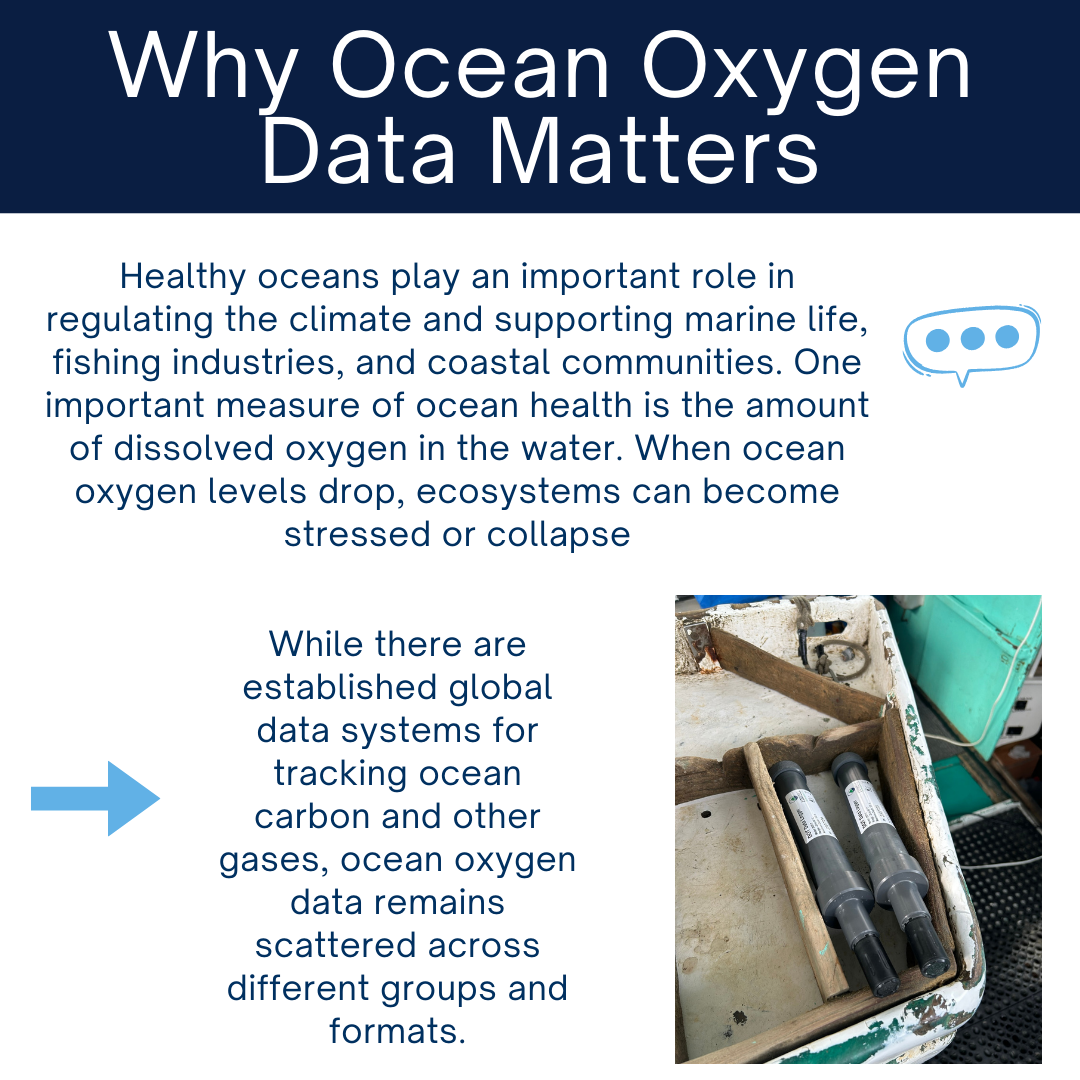
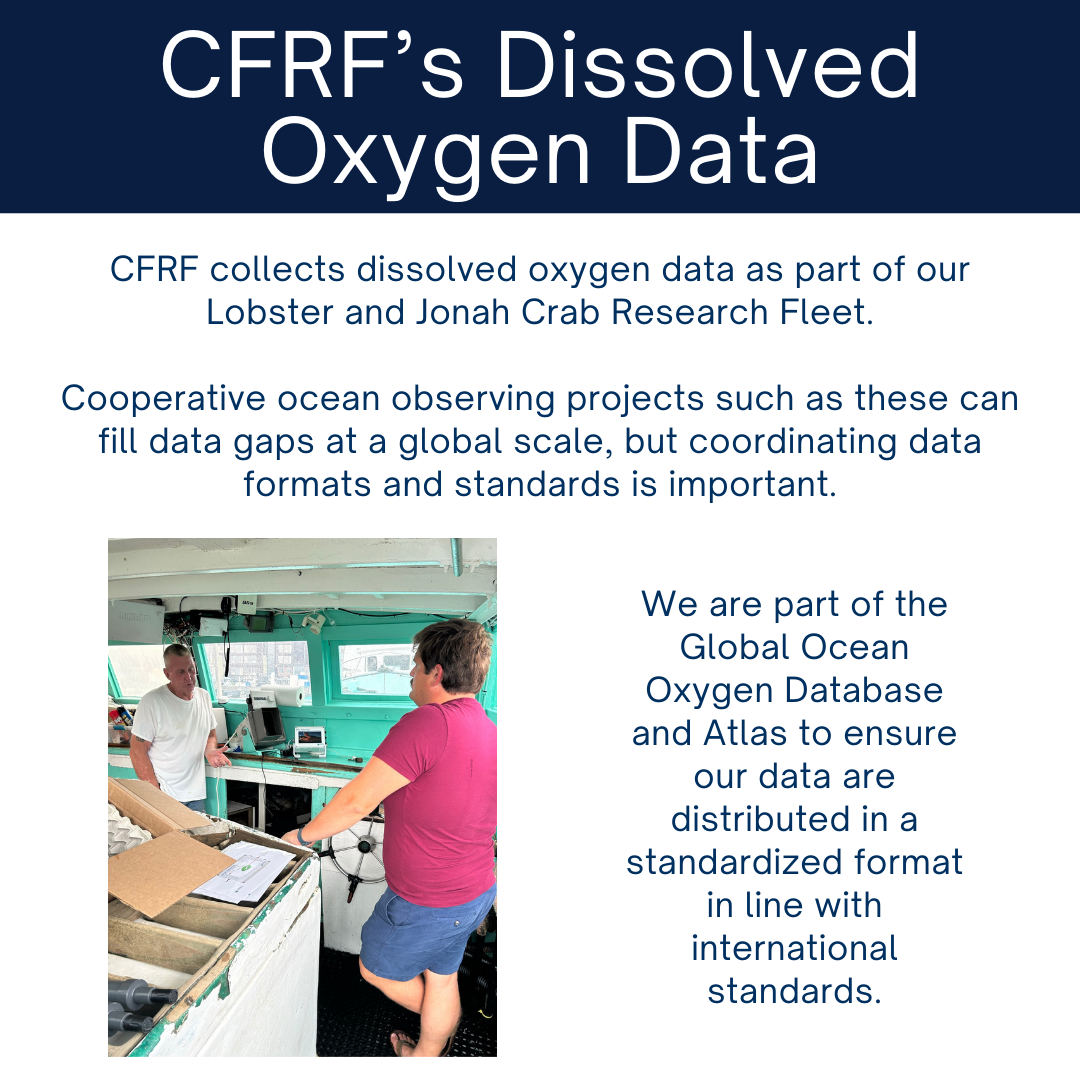
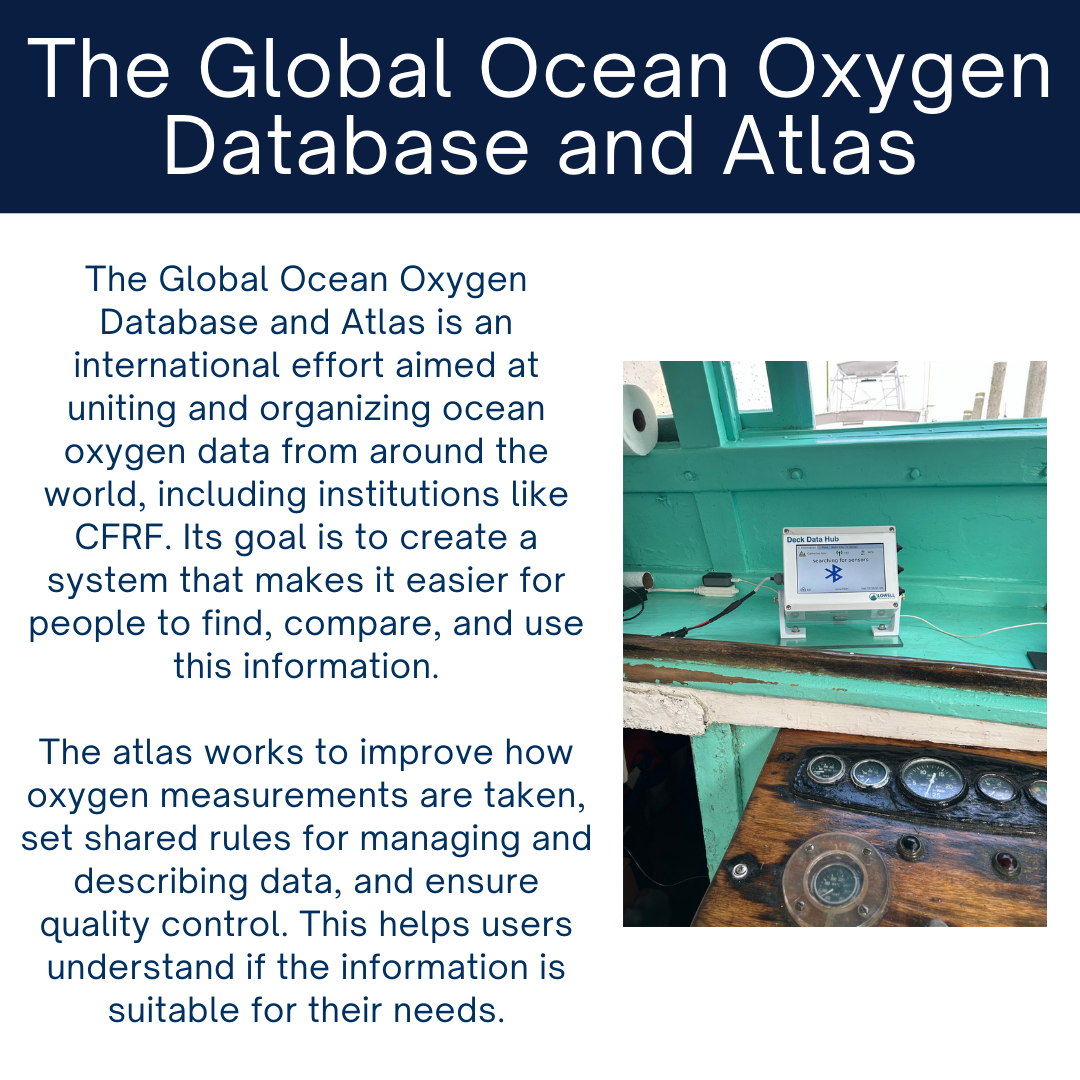
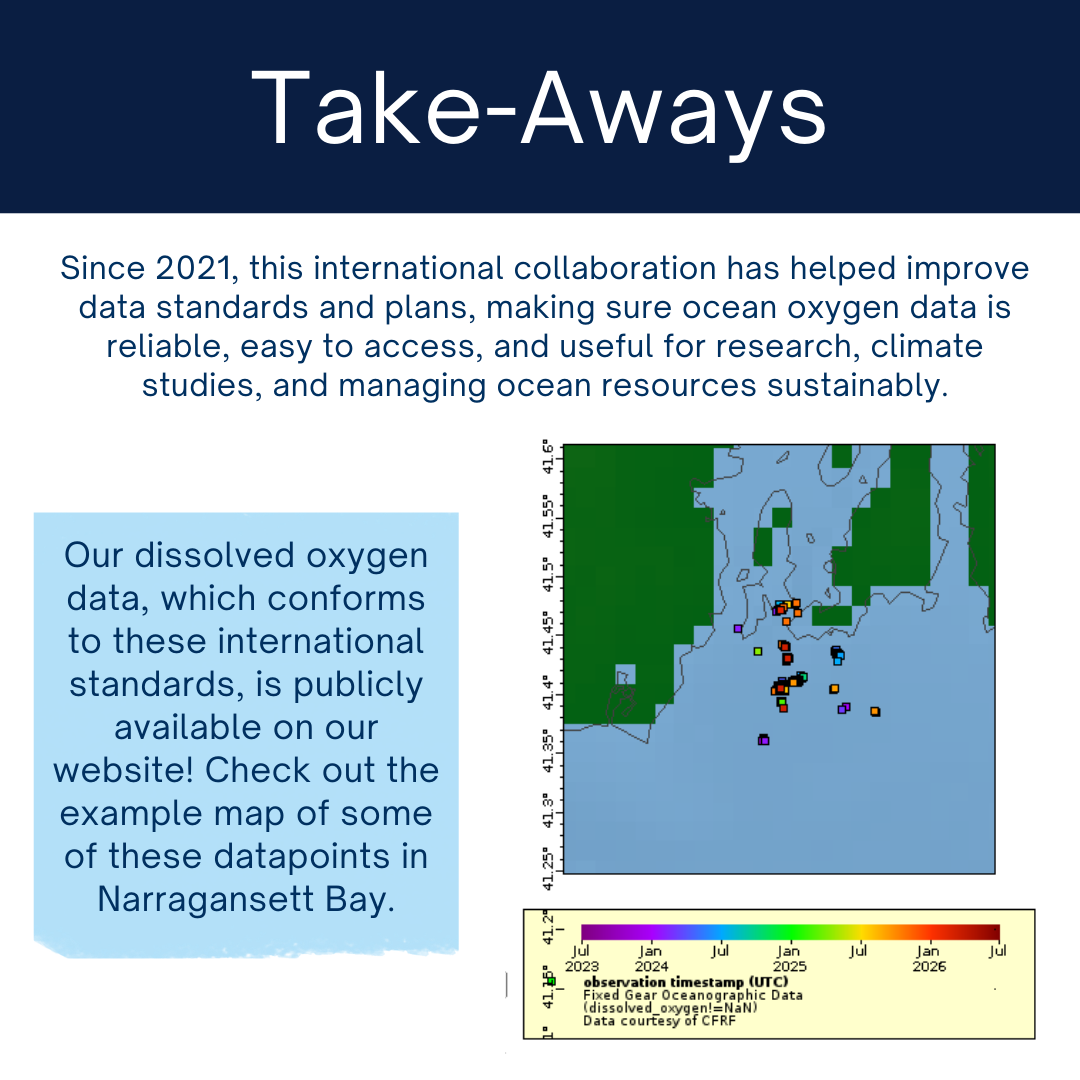
New Paper: International Ocean Oxygen Data Management
We are proud to be a part of a large international collaborative publication discussing ocean oxygen data standards and management.
Read below for a summary of this initiative!
CFRF Summer 2026 Internship Opportunity
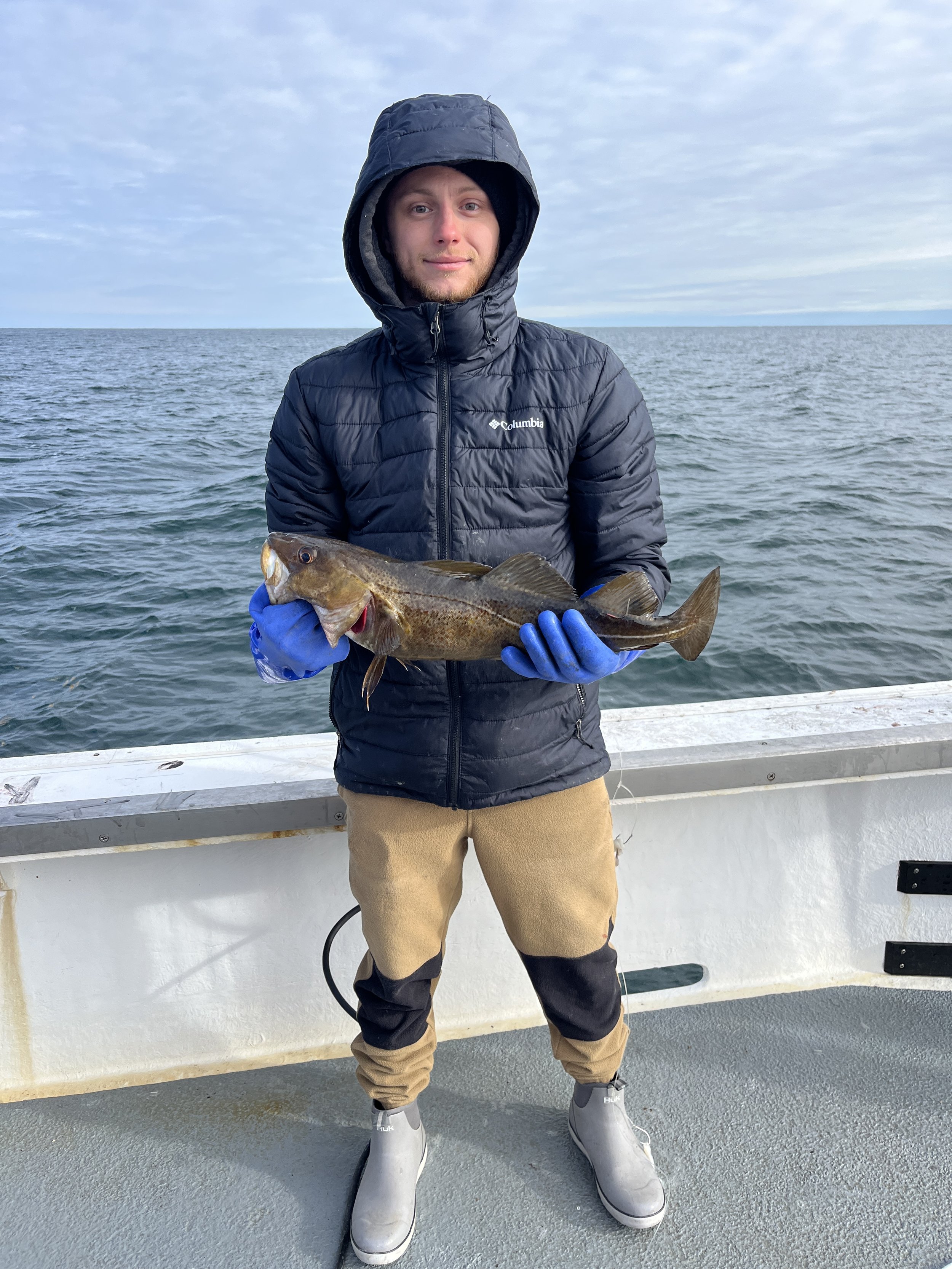
The Commercial Fisheries Research Foundation is pleased to offer a part-time, paid summer internship for an undergraduate or graduate student or recent graduate.
This internship is offered from May through August 2026 with flexible start and end dates. The selected intern will receive at least $18/hour for 20 hours a week.
Visit the internship page to learn more and apply!
Applications are due March 27th.
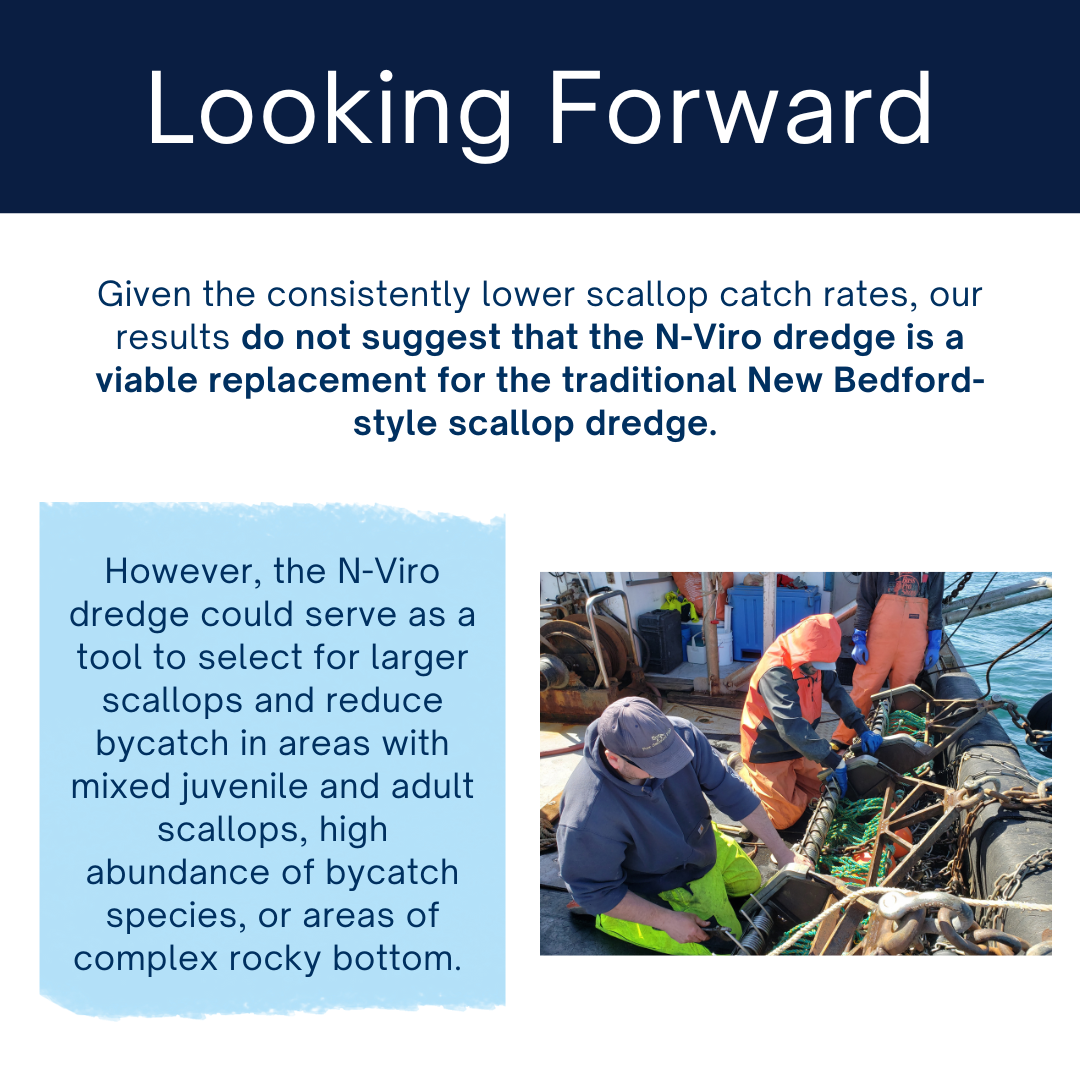
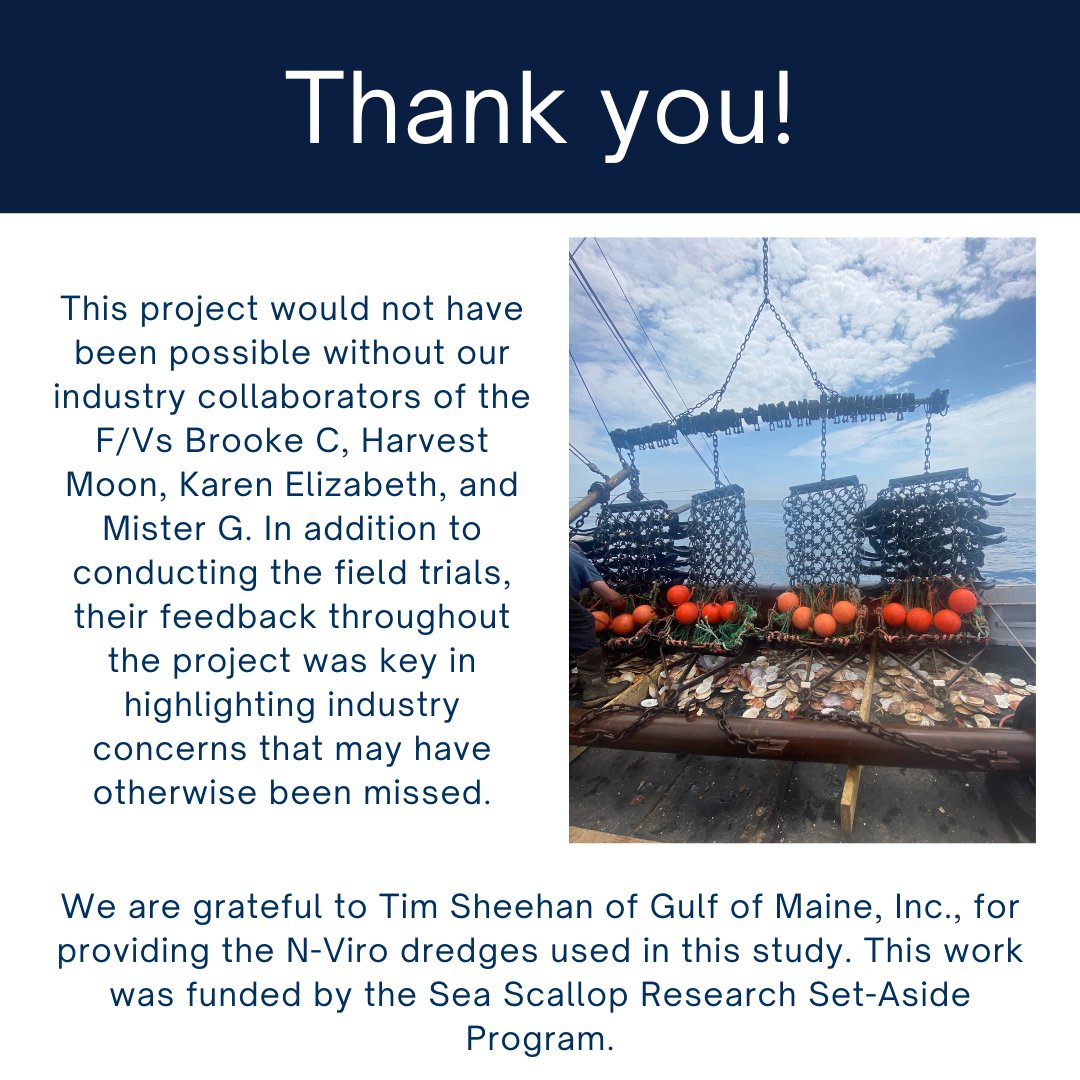
New Paper: Testing the N-Viro Scallop Dredge
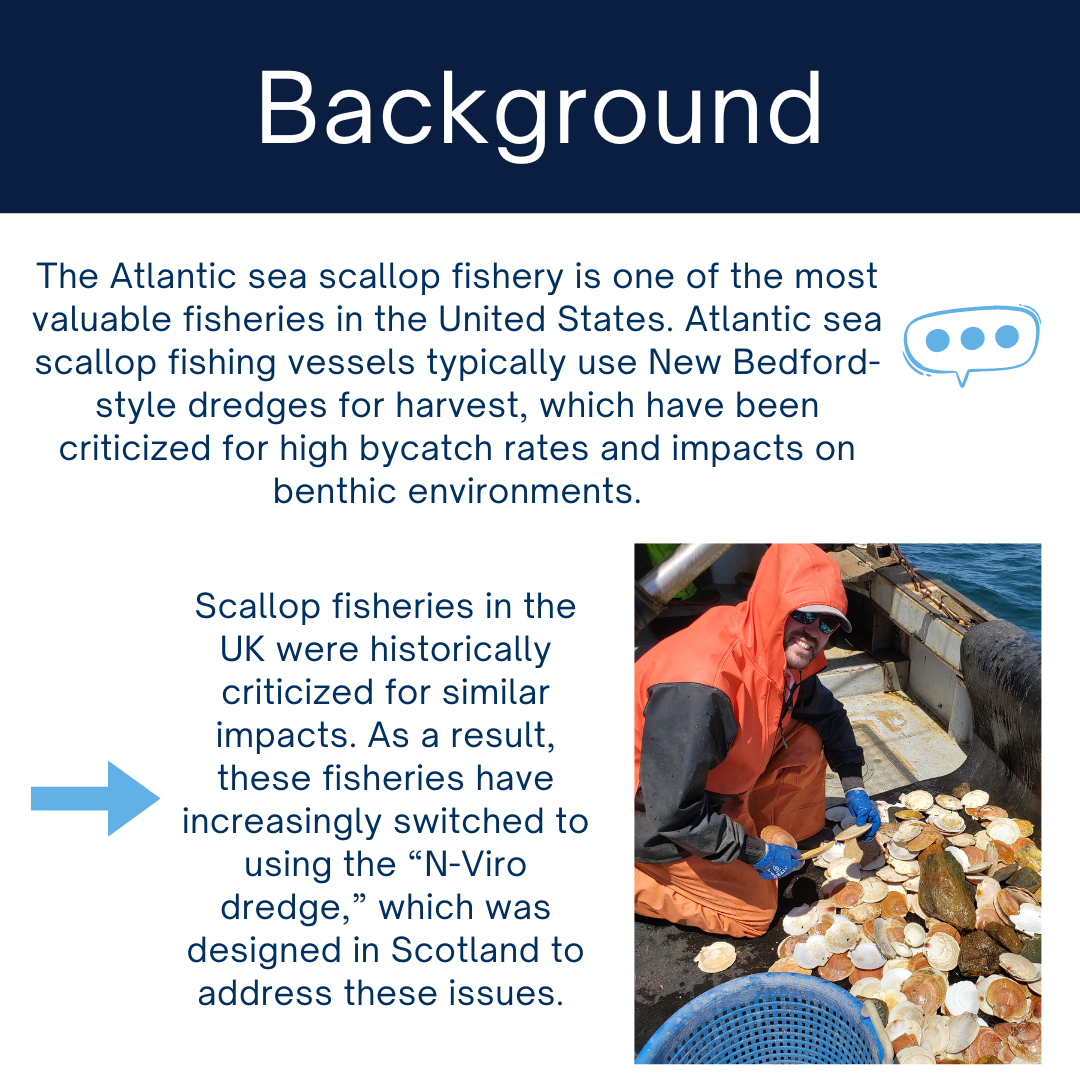
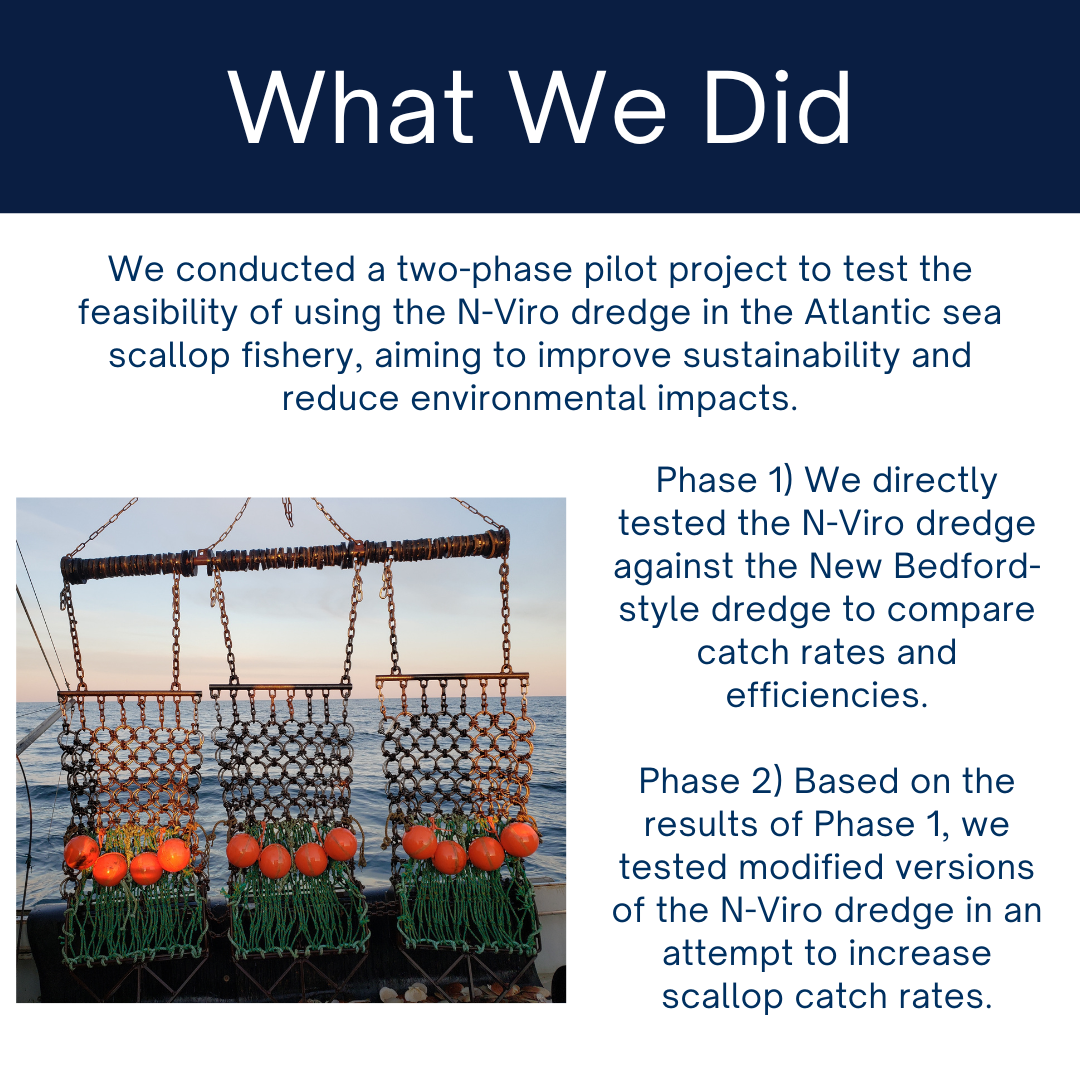
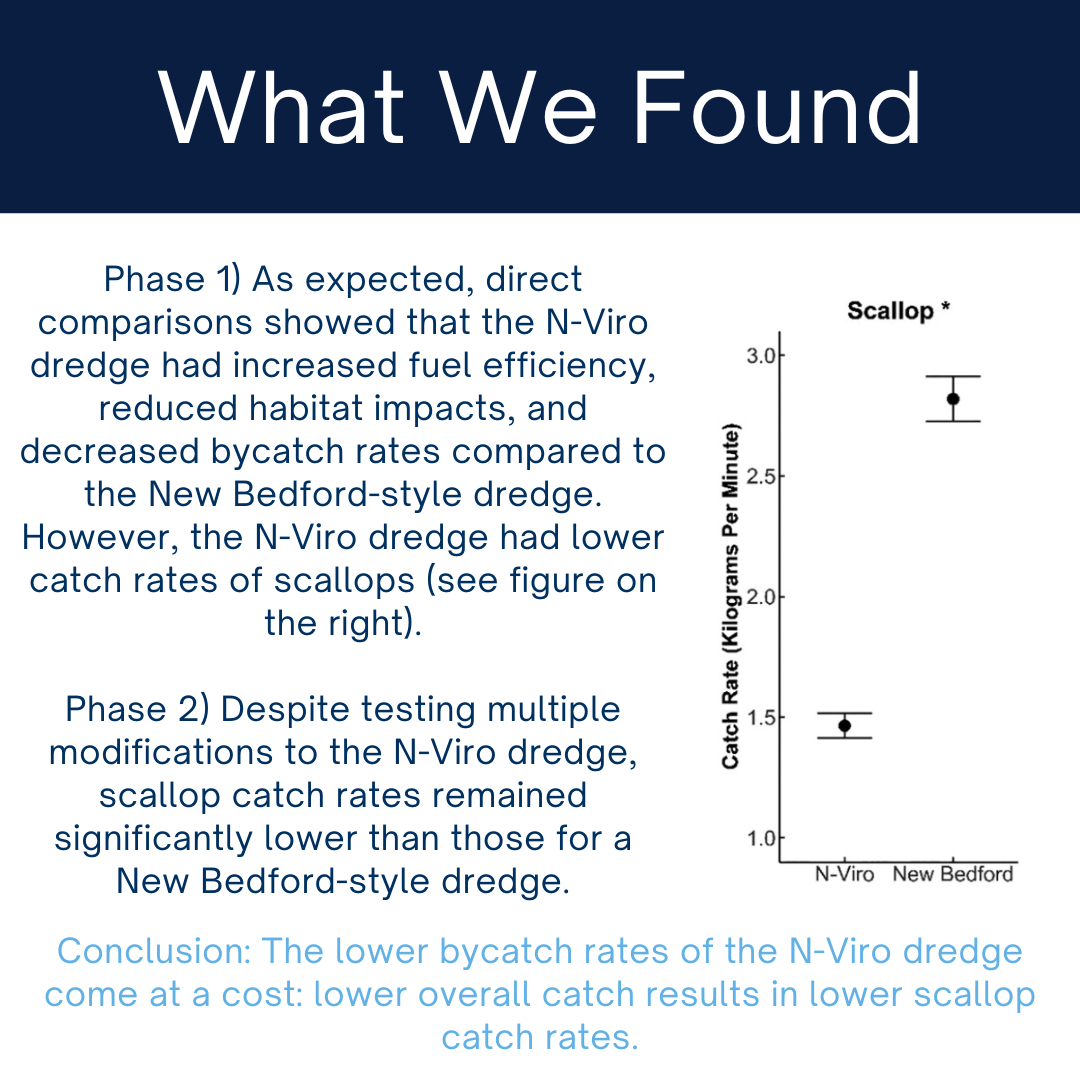
We are excited to share our newest research paper on the results of our project to test the ability of the N-Viro dredge to reduce bycatch and increase fuel efficiency in the Atlantic sea scallop fishery. Scroll through the images below for a summary, or read the full paper here!
This paper is published in the Journal of Shellfish Research. If you do not have access through the link below, please email us to request a copy.

CFRF's 2025 Annual Impact Report
We are excited to release the CFRF Annual Impact Report summarizing the work we conducted during our Fiscal Year 2025!
We are thrilled to share our accomplishments with you, and we value your involvement as we collaborate towards our mission. Thank you for your time and interest in our efforts.
NEW Fisheries Workshop For Students!

The Commercial Fisheries Research Foundation is dedicated to increasing awareness of fisheries topics, educating others about our research, and training the next generation of fisheries scientists through outreach and education initiatives.
We are proud to launch our free, by-request workshop to introduce students to fisheries science and provide resources for students interested in pursuing an impact-driven, community-oriented career in science.
Formal and Informal Educators: Learn how you can request a workshop for your students here!
Scallop Dredge Modifications Final Report Available Now
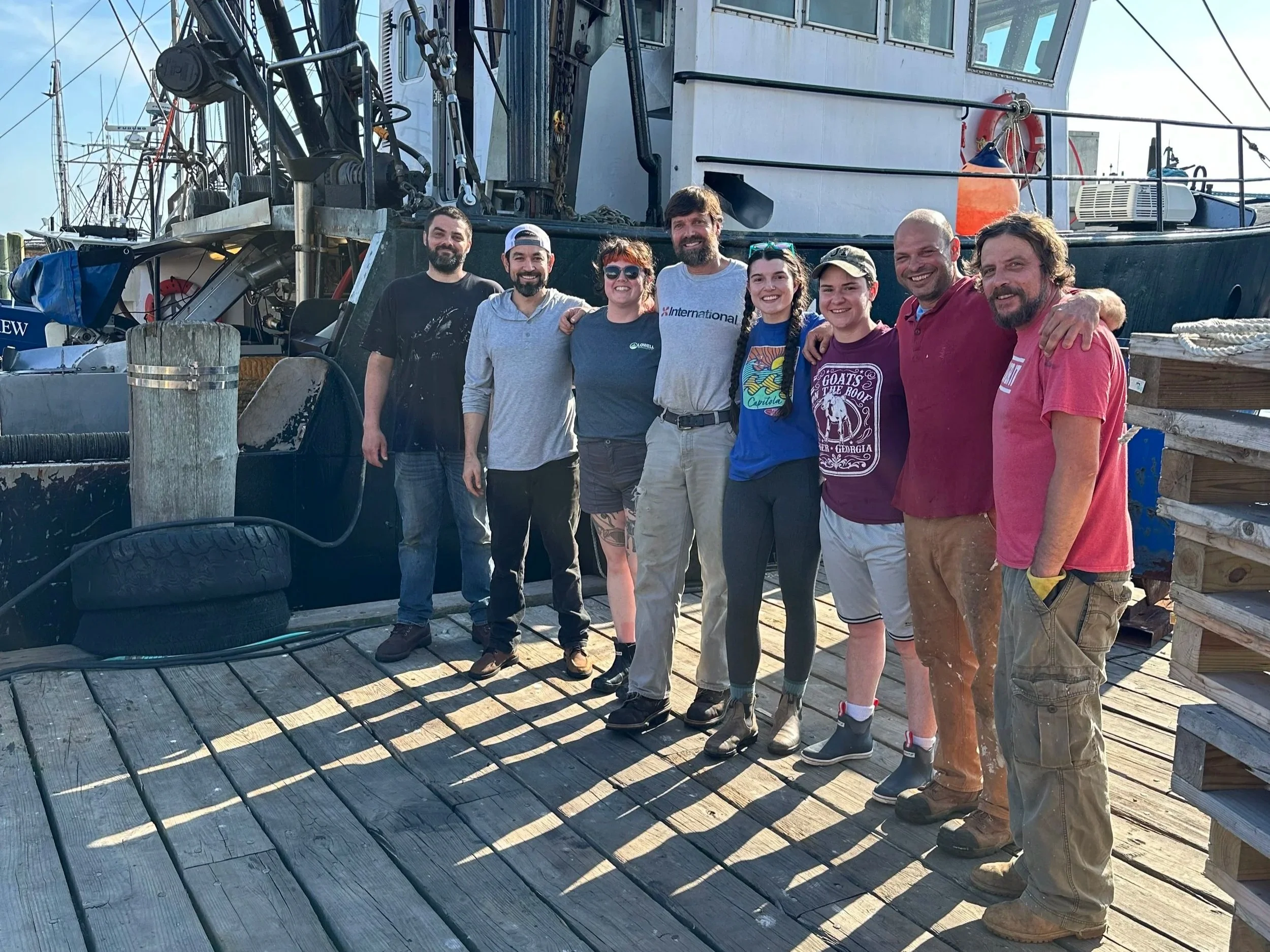
Our initial project to reduce small sea scallop and sand dollar catch through dredge bag modifications has officially concluded. Check out the final report submitted to the NOAA Sea Scallop Research Set-Aside Program here, and stay tuned for updates on the next phase of this project!
Pilot Project: Uniting Knowledge from Fishing Communities and Offshore Wind Developers to Improve Boulder Relocation Practices
We recently completed a pilot project to implement a plan to improve boulder relocation practices during offshore wind development. Read below to learn what we did and what we learned!
background
Offshore wind energy development often requires the relocation of large boulders to provide scour protection, stabilize turbine foundations, and clear routes for cables. Relocated boulders can pose safety risks to fishermen by creating new 'hangs' in which gear may become caught, as well as potentially affect the habitat structure and fish communities in established fishing grounds. In April 2025, we co-hosted an event focused on these issues with Rhode Island Sea Grant, the University of Rhode Island, and the Commercial Fisheries Center of Rhode Island (CFCRI).
In response to the feedback from stakeholders at the event, we collaborated with CFCRI on a pilot project to identify relocated boulders that pose fishing hazards in the Revolution Wind Farm lease area and demonstrate a simple and effective path for future applications to reduce the negative impacts of boulder relocation on fishing.
methods and results

Construction of the Revolution Wind Farm resulted in nearly 2,800 boulders being relocated. We interviewed mobile gear fishermen who historically fished within this wind farm lease area and used the information gathered to map previously towable fishing grounds within the Revolution Wind Farm. We found that only five of the relocated boulders were within these fishing areas (click map to enlarge).
These problematic boulders represent <1% of the nearly 2,800 relocated boulders, which indicates the issue of boulder relocation as it relates to fishing safety may be relatively easily overcome. In the future, this project’s approach could be conducted during relocation planning to identify boulders that need to be relocated strategically outside of towable fishing areas. This approach could minimize direct impacts on fishing vessel safety and contribute to a more positive and collaborative working relationship between offshore wind developers and fishermen.