Removing Ghost Traps from Narragansett Bay, Rhode Island
general description:
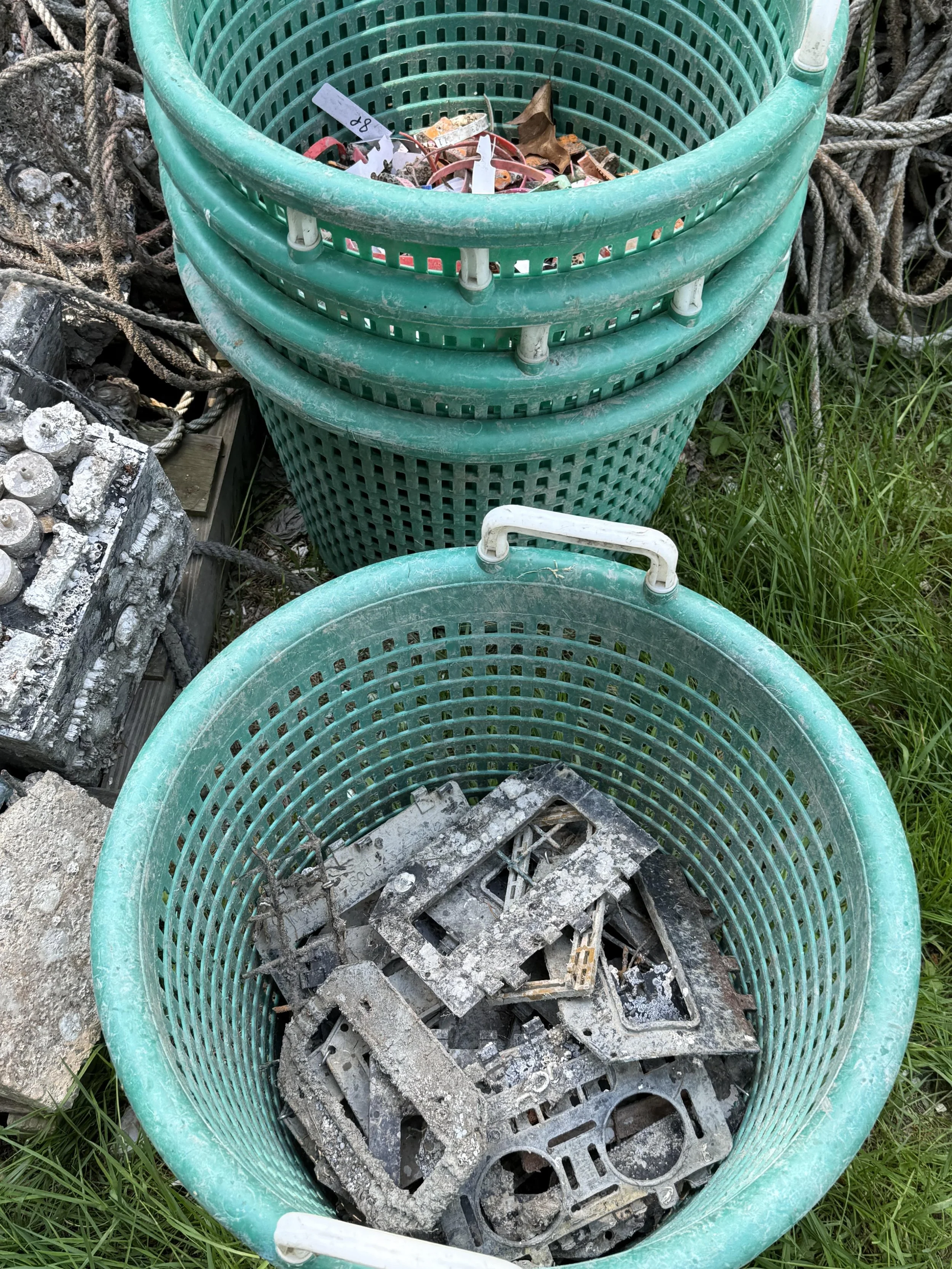
Abandoned, lost, and discarded fishing gear (ALDFG), also known as ghost gear, poses a significant threat to ocean health and coastal communities worldwide. While the problem exists across many gear types, traps and pots, along with their associated lines and buoys, are often found in coastal waters and left to soak unattended. Narragansett Bay supports recreational and both fixed- and mobile-commercial fishing activities in a relatively small area, creating an environment highly susceptible to interactions with fishing gear. We know that gear interactions often result in “dumping grounds,” and storms also contribute to the loss of traps in Narragansett Bay.
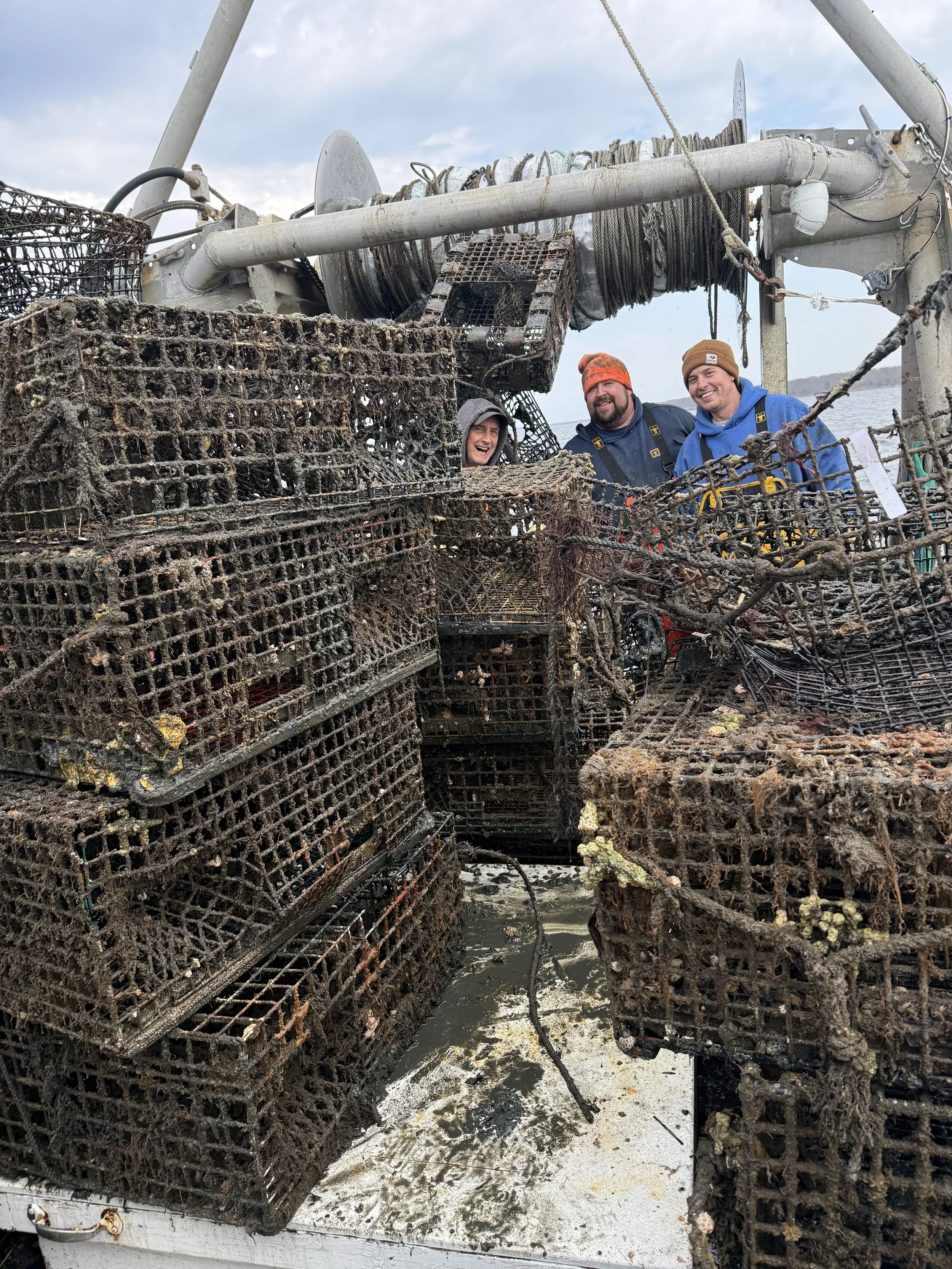
The CFRF ALDFG removal program has been working in Narragansett Bay to remove ghost traps, and this project will continue our removal efforts. It will also expand our post-monitoring system to understand the reaccumulation dynamics of lost traps in the Bay, and develop an easy-to-use lost gear reporting system where fishermen can report lost gear that we can target for removal.
The results of this project will mitigate the marine habitat and biological impacts of ghost traps in Narragansett Bay, reclaim fishing grounds, and reduce navigation hazards for recreational and commercial fishing, thereby generating economic benefits for these industries.
This project will also advance scientific knowledge on derelict traps and related ecological issues in the Bay.
Project Goals:
Continue derelict trap removal efforts in Narragansett Bay
Improve our understanding and monitoring of derelict trap dynamics in Narragansett Bay
Project Objectives and Methods:
Conduct a 2-day side-side scan sonar survey of Narragansett Bay in late spring 2026 to provide targets and estimate reaccumulation rates
Conduct t ALDFG removal surveys in December 2026 through January-February 2027 on local commercial fishing vessels
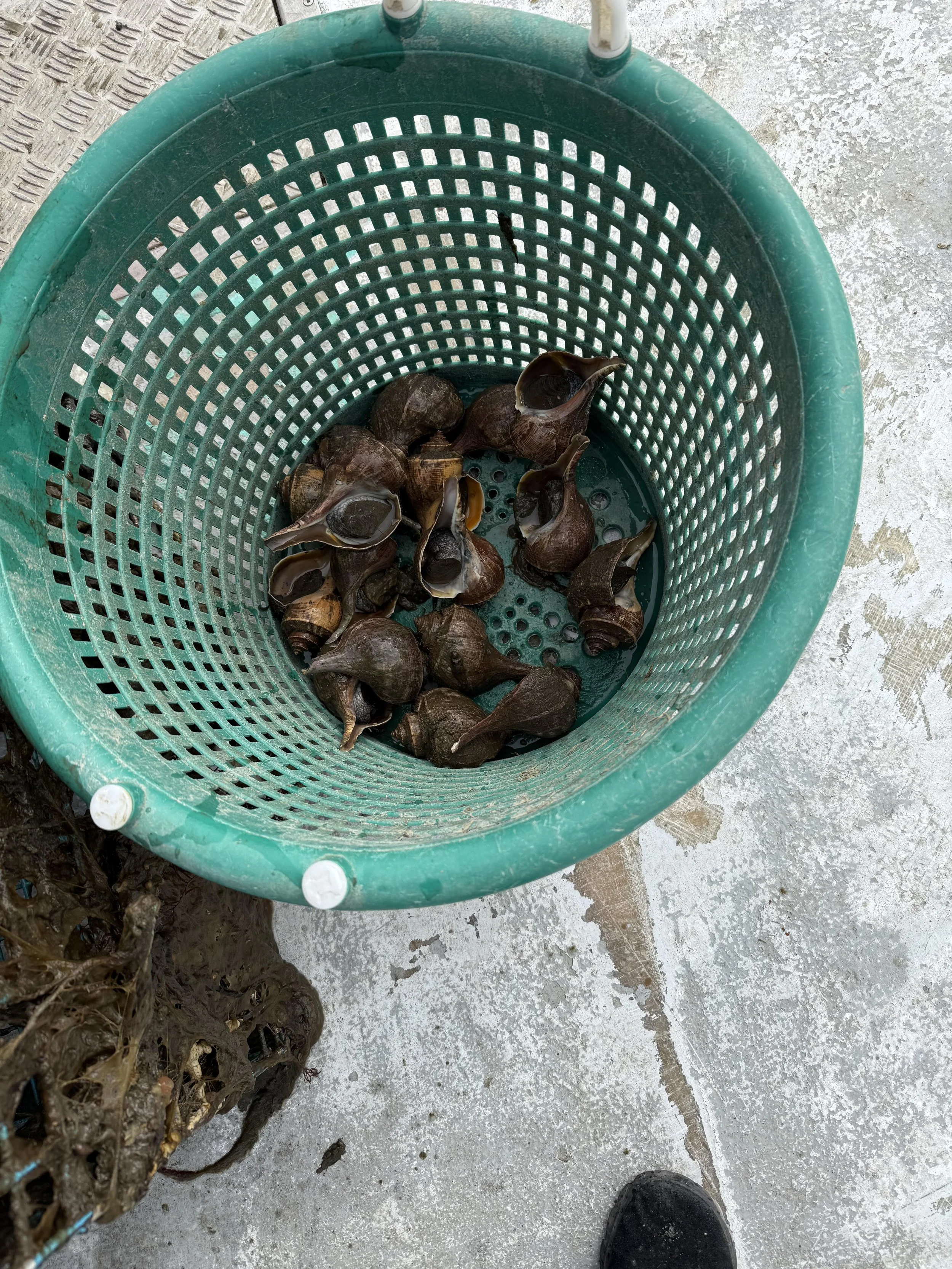
Collect and disseminate metrics from retrieved gear
Effort, location, depth, substrate, gear type, gear condition, tag (permit) numbers, species in gear (alive or dead), amount and type of biofouling, and status of ghost panel/ biovents.
Work with partners to efficiently return, recycle/repurpose/dispose retrieved derelict traps
Monitor derelict trap dynamics in Narragansett Bay:
Produce an estimate for reaccumulating ghost gear in survey areas using side scan sonar
findings, retrieved gear locations, and a newly developed CFRF reporting portal.
Evaluate the project removal results by quantifying area cleared of derelict traps and the number
of traps and pounds of marine debris removed from Narragansett Bay.

project team:
Commercial Fisheries Research Foundation
Susan Inglis - CFRF Project Lead
N. David Bethoney
Jack Moore
Tori Thomas
This Project is Supported By:
Virginia Institute of Marine Science Trap Removal, Assessment and Prevention Program